••
Global Political Volatility: Crackdowns on Dissent and Transparency Scandals Shape International Landscape
•3 min read•5 sources
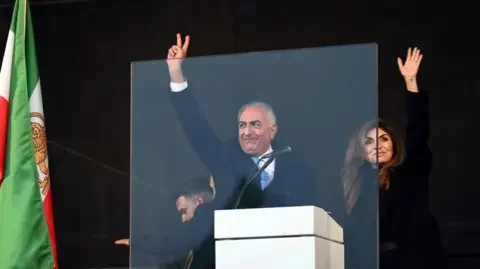
The international political landscape is facing a period of intense volatility as reports emerge of state-sponsored assassinations, mass global protests, and systemic crackdowns on opposition leaders. UK and European officials have recently concluded that Russian opposition figure Alexei Navalny, who collapsed in a Siberian penal colony after three years of imprisonment, was murdered using epibatidine—a rare and potent toxin derived from South American poison dart frogs. While the Kremlin has dismissed these findings as propaganda, Western officials assert that only the Russian state possessed the means to deploy such a sophisticated biological weapon, further straining relations between Moscow and the international community.
Simultaneously, the struggle for democratic representation is intensifying across the Middle East and North Africa. In Tunisia, police recently detained Olfa Hamdi, leader of the Third Republic party and a vocal critic of President Kais Saied, upon her arrival at the airport. This arrest is seen by human rights advocates as a continuation of a broader crackdown on dissent that began in 2021. Meanwhile, hundreds of thousands of demonstrators took to the streets in Munich, Los Angeles, and Toronto following a call for a "global day of action" by Reza Pahlavi. These protests against the Iranian government highlight the growing toll of civil unrest, with activists reporting over 6,800 fatalities linked to the ongoing struggle for economic and political freedom in Iran.
In the United States, government agencies are facing sharp criticism over transparency and the rule of law. The Department of Justice (DoJ) is under fire from lawmakers, including Representative Thomas Massie, who argue that the recent release of the Epstein files was inadequate and lacked critical internal memos. Although the files mentioned high-profile figures like Donald Trump and Bill Gates without implying wrongdoing, critics claim the DoJ is obfuscating details to protect public figures. This controversy coincides with reports of a secret operation by the Trump administration on January 14, where nine individuals were deported to Cameroon despite holding U.S. court protections. The deportees were reportedly kept in the dark about their destination until their arrival, raising significant legal and ethical concerns regarding immigration enforcement.
These disparate events underscore a troubling global trend of eroding human rights and the increasing use of state power to silence political opposition. Whether through the alleged use of rare toxins, the detention of party leaders, or the lack of transparency in judicial proceedings, the demand for accountability is reaching a fever pitch. As international bodies and global citizens continue to pressure these governments, the coming months will be pivotal in determining whether democratic norms can be upheld or if the shift toward authoritarian tactics will continue to escalate on the world stage.
This story touches markets covered on Anansi Intelligence ↗.
More from politics
Continue exploring similar stories


