••

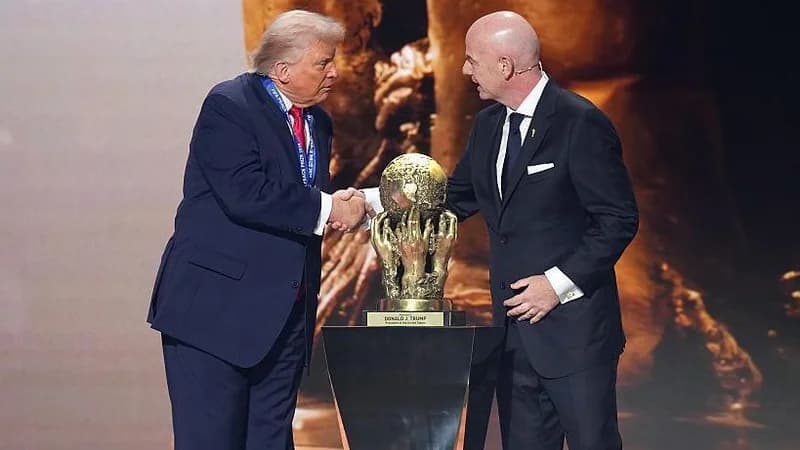
Gianni Infantino, who has led FIFA for nearly a decade, is navigating a surge of international scrutiny as he prepares for re-election next year. Central to the current controversy is a series of governance decisions that have drawn sharp criticism from European football authorities, most notably allegations of political interference involving former US President Donald Trump. Despite these challenges, Infantino appears to maintain a firm grip on his position, bolstered by significant support from football federations across the globe, even as questions regarding transparency and the integrity of the game's governing body intensify. The friction between FIFA and its member confederations has been exacerbated by several high-profile incidents. Chief among these is the decision to rescind a red-card suspension for US international Folarin Balogun, a move reportedly influenced by an intervention from Donald Trump. This decision has sparked a backlash from UEFA, which views the move as a dangerous precedent for political meddling in sporting justice. Additionally, Infantino’s administration is under fire for the implementation of inflated World Cup ticket prices and the controversial introduction of the FIFA Peace Prize, both of which critics argue prioritize commercial and political optics over the core interests of football fans and the sport's traditions. Despite the vocal opposition from European quarters, Infantino’s political standing within FIFA remains remarkably resilient. He has reportedly secured 111 votes for his upcoming re-election, a testament to the broad support he enjoys among non-European federations. This support is often credited to his administration’s focus on development initiatives in emerging football markets. However, the disconnect between this global support and the growing discontent in Europe highlights a deepening divide within the world of football governance, where developmental progress is increasingly weighed against concerns over transparency and the centralization of power. As the re-election draws closer, the ongoing tension suggests that Infantino’s next term will be defined by a struggle to reconcile these conflicting interests. While his supporters point to his success in expanding FIFA’s reach and funding, his detractors warn that the erosion of independent governance could have long-term consequences for the sport’s credibility. The European backlash may not immediately threaten his presidency, but it signals a period of heightened accountability and potential reform as the international community watches how FIFA navigates the intersection of global politics and professional football.
This story touches markets covered on Anansi Intelligence ↗.
Continue exploring similar stories


