••
Ghanaian Truck Drivers Stranded in Nigeria Amid Rising Cross-Border Trade Tensions
•2 min read•4 sources
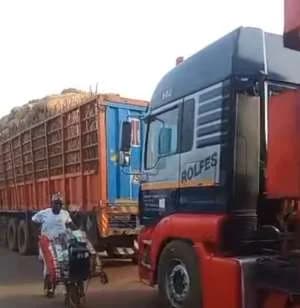
A group of Ghanaian truck drivers finds itself in a precarious situation in Kebbi State, Nigeria, after being detained for nearly three days by suspected armed men. The trucks, which are transporting perishable vegetables—primarily onions sourced from Niger—were intercepted while en route to Ghana. This blockade has brought cross-border trade between the two West African nations to a standstill in the region, leaving drivers and traders in a state of high anxiety as their cargo begins to deteriorate and their livelihoods hang in the balance.
The detention appears to be a direct fallout of escalating tensions and retaliatory actions between Ghanaian and Nigerian traders. Reports indicate that the blockade in Nigeria is a response to a recent trade dispute in Accra, where Nigerian onion traders allegedly faced difficulties unloading their goods due to interference from their Ghanaian counterparts. Furthermore, Alhaji Fuseini Atiiga, a prominent onion trader, pointed to deeper systemic issues, noting that ongoing disagreements regarding the allocation of trucks between the two nations' traders have significantly exacerbated the friction, leading to this physical standoff on the transport route.
The human and economic cost of the standoff is mounting rapidly as drivers on the ground express deep distress over the potential loss of their cargo. Awudu Tiajni, one of the affected drivers, lamented the situation, stating, "We’ve been locked here for almost three days. Our goods are perishing. We are appealing to the government for help." The highly perishable nature of onions means that every hour of delay increases the likelihood of total cargo loss, threatening the financial stability of the traders and the supply chain responsible for bringing essential food items to Ghanaian markets.
As the standoff continues, there is an urgent call for diplomatic intervention from the Ghanaian government to engage Nigerian authorities and resolve the impasse. Stakeholders warn that without a swift resolution, the incident could further strain regional trade relations and lead to significant economic losses for all parties involved. This situation underscores the fragile nature of cross-border commerce in the sub-region and highlights the need for more robust conflict resolution mechanisms to address trade disputes before they escalate into physical blockades and threats to the safety of transport personnel.
This story touches markets covered on Anansi Intelligence ↗.
More from africa
Continue exploring similar stories


