••
Tragedy in Titao: Killing of Eight Ghanaian Traders in Burkina Faso Sparks Security Concerns and Political Debate
•3 min read•6 sources
Eight Ghanaian tomato traders were brutally murdered in the Burkinabè town of Titao on February 14, 2026, in an attack that security analysts believe was a calculated political signal to the Ghanaian government. The victims, members of the Ghana National Tomatoes Traders and Transporters Association, were ambushed after completing their purchases. The Al-Qaeda-affiliated militant group Jama’at Nasr al-Islam wal Muslimin (JNIM) has claimed responsibility for the attack. Reports indicate a chilling level of deliberation; the assailants reportedly separated the traders by gender before killing the men and setting their vehicle ablaze with the driver inside. Only eight female traders survived the ordeal, while the Ghanaian government confirmed that the remains of the deceased could not be repatriated due to severe decomposition.
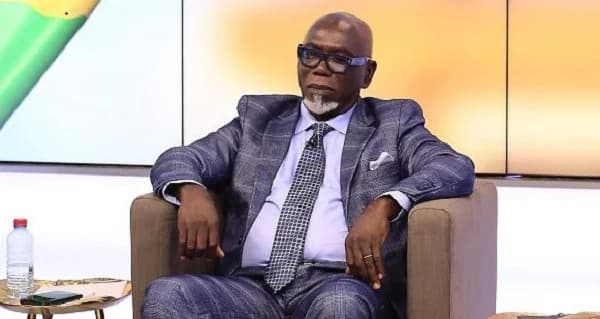
Security analyst Dr. Ishmael Norman has posited that these killings were not random acts of Sahelian violence but a premeditated strike intended to send a message regarding Ghana’s diplomatic ties. According to Dr. Norman, the militants specifically identified the victims as Ghanaians to protest the country's relationship with Burkina Faso’s military leader, Captain Ibrahim Traoré. He emphasized that the attack highlights the urgent need for Ghana to clarify its diplomatic stance, particularly concerning its ECOWAS obligations and its response to the shifting political landscape in Burkina Faso, which has increasingly distanced itself from Western influence.
The tragedy has ignited a fierce partisan debate within Ghana’s Parliament, exposing deep divisions over the nation’s foreign policy. The Minority caucus has linked the killings to President John Dramani Mahama’s diplomatic engagement with Captain Traoré, suggesting that the administration's perceived support for the military leader has turned Ghanaian citizens into targets. In a sharp rebuttal, James Agalga, Chairman of the Defence and Interior Committee, labeled these claims as "reckless" distortions. He argued that the current security crisis actually stems from previous governmental blunders—notably public accusations regarding the Wagner Group—which severed vital intelligence-sharing channels that the current administration is now working to restore.
As the government facilitates the medical evacuation of survivors, the incident has placed renewed focus on the precarious nature of cross-border trade in the Sahel. The Interior Ministry and humanitarian agencies are working to support the affected families, while the broader political discourse remains centered on how to protect Ghanaian lives in volatile neighboring territories. The massacre underscores the complex security dynamics facing Ghana as it attempts to balance regional diplomacy with the rising threat of extremist groups operating across its northern borders.
This story touches markets covered on Anansi Intelligence ↗.
More from politics
Continue exploring similar stories


