••
Ghanaian Youth Champion Innovation: Tech Expo and DigiTech Academy Drive Solutions for Environment and Development
•3 min read•2 sources
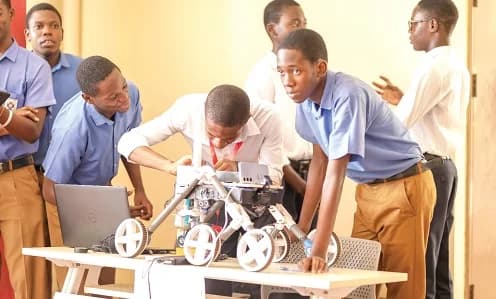
Ghana’s technological landscape is witnessing a significant surge in youth-led innovation as educational institutions and corporate foundations ramp up efforts to equip the next generation with STEM skills. Recently, two major initiatives—the Academic City University Tech Expo and the Telecel Foundation’s DigiTech Academy—highlighted how robotics, coding, and digital design are being deployed to tackle pressing national issues, ranging from the devastating effects of illegal mining (galamsey) to agricultural modernization. These programs underscore a growing movement to move beyond theoretical learning toward practical, technology-driven interventions aimed at sustainable national development.
At Academic City University, the Robotics Club organized its annual Tech Expo under the theme ‘Innovating to Reverse the Effects of Galamsey and Restore the Earth.’ In partnership with environmental organizations like A Rocha Ghana and corporate entities such as Asante Gold Corporation, the expo challenged students from various universities and senior high schools to develop technological solutions for environmental restoration. Prof. Elsie Effah Kaufmann, Dean of the School of Engineering Sciences at the University of Ghana, encouraged participants to transition from mere concepts to implementation, emphasizing that the younger generation holds the key to driving impactful change. The event also featured a panel discussion with leaders like Dr. Kenneth Ashigbey, CEO of the Ghana Chamber of Mines, who addressed the rising violence associated with illegal mining and the urgent need for a sustained, tech-based plan to protect the nation’s natural resources.
Simultaneously, the Telecel Foundation celebrated the graduation of 500 young innovators from its DigiTech Academy. This third cohort, drawn from five regions across the country, completed a rigorous 12-week curriculum focused on robotics, coding, and web design. The graduation ceremony in Peki Blengo showcased impressive student projects, including automated irrigation systems and sophisticated security alarms, demonstrating the tangible benefits of digital literacy in solving everyday problems. With over 2,300 students trained since its inception, the academy continues to focus on increasing female participation in STEM and aligning its training with the formal education sector through partnerships with the Ghana Education Service.
The convergence of these initiatives signals a pivotal shift in Ghana’s approach to technology and education. By providing platforms for students to showcase their creativity, these programs are fostering a culture of innovation that extends beyond the classroom. As these young innovators move from training to real-world application, the focus must now turn to providing the necessary resources and policy support to scale their prototypes. Experts agree that by empowering the youth with these technical competencies, Ghana is positioning itself to effectively mitigate environmental damage and drive future economic growth through homegrown technological solutions.
This story touches markets covered on Anansi Intelligence ↗.
Related topic
Ghana Education Service (GES): Latest News Today →Live rates
Ghana gold price →More from technology
Continue exploring similar stories


