••
Ghana Drives National Progress Through Youth Empowerment, Healthcare Support, and Cultural Revitalization
•3 min read•4 sources
Ghana is currently witnessing a multifaceted drive toward socio-economic transformation and cultural revitalization, led by both private organizations and public figures. From major investments in youth vocational training to significant corporate contributions to the health sector and the revival of long-dormant cultural traditions, these initiatives highlight a collective effort to foster sustainable development. This period of activity underscores a national commitment to empowering the next generation while preserving the rich heritage that defines the Ghanaian identity, creating a more resilient framework for future growth.
At the forefront of economic empowerment, the Sinapi Aba Trust has successfully trained over 5,000 young people through its Youth Apprenticeship Programme. During a recent graduation ceremony in Tamale, CEO Mrs. Owusu-Dabo revealed that the initiative—supported by Opportunity International Germany—has indirectly impacted approximately 50,000 lives across the country. With over 90 graduates already transitioning into direct employment and many others launching their own businesses, the program is proving to be a vital engine for economic participation among disadvantaged youth. Graduates have testified that these technical skills have been life-transforming, allowing them to support their families and participate more fully in the national economy.
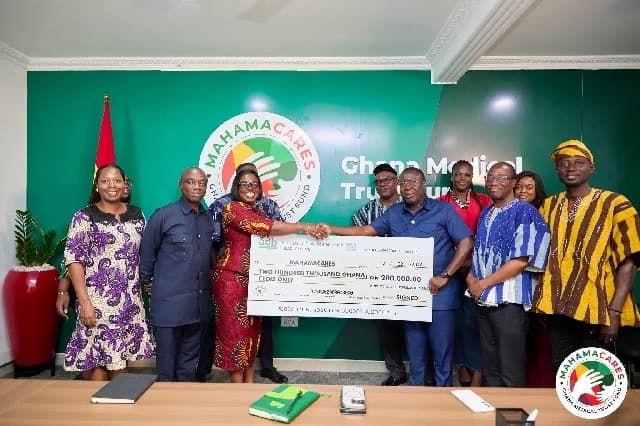
Complementing these economic strides is a significant boost to the nation's healthcare infrastructure and social safety nets. The Agricultural Development Bank (ADB) has donated GHS 200,000 to the Ghana Medical Trust Fund to mark the commencement of "Heal Ghana Month." This contribution, led by a delegation under Prof. Ferdinand Makafui Ahiakpor, is specifically targeted at supporting patients battling chronic Non-Communicable Diseases (NCDs). Originating from the "Kyəre Wo Dɔ" campaign, the initiative seeks to unite corporate Ghana in a collective effort to restore hope for vulnerable patients, with fund administrators calling for more organizations to join this critical national cause to ensure sustainable healthcare access.
On the cultural front, efforts to preserve and celebrate Ghana’s heritage are gaining significant momentum through local leadership and corporate participation. In Kumawu, Member of Parliament Ernest Yaw Anim is rallying stakeholders to revive the "Papa Nantwie" festival, scheduled to return on March 3, 2026, after a 19-year hiatus. The festival aims to honor ancestors and boost local tourism through bravery contests and community initiatives. Simultaneously, the Margins ID Group has embraced "Ghana Month" through the #FuguWednesday initiative. By encouraging staff to wear indigenous fugu fabrics, the group is promoting national pride and the significance of traditional textiles, further strengthening the connection between modern corporate environments and Ghana’s ancestral roots.
Collectively, these developments represent a holistic approach to nation-building that balances modernization with tradition. Whether through the acquisition of technical skills by the youth, the financial support of life-saving medical treatments, or the restoration of historical festivals, Ghana is demonstrating a resilient path toward a more inclusive and culturally grounded future. As these programs continue to evolve, they set a precedent for how public-private partnerships and community engagement can drive meaningful change across the continent, ensuring that development is both economically viable and culturally authentic.
This story touches markets covered on Anansi Intelligence ↗.
More from africa
Continue exploring similar stories


