••
Ghana Secures Major World Bank Investment Amid Historic Diplomatic Expansion and Economic Stabilization
•3 min read•11 sources
Ghana has achieved a significant milestone in its developmental trajectory, receiving high-level validation from the World Bank alongside a massive $474 million commitment to the nation’s education sector. During a high-profile visit to Accra, Paschal Donohoe, the World Bank’s Managing Director and Chief Knowledge Officer, commended Finance Minister Dr. Cassiel Ato Forson for the government's successful stabilization of national finances. Donohoe described Ghana as a regional anchor of stability, reaffirming the institution's commitment to supporting the country’s reform agenda. This support is anchored by the $174 million Ghana Accountability for Learning Outcomes Project (GALOP), aimed at improving basic education for 2.9 million pupils, and a newly announced $300 million investment targeting secondary education transformation and youth job creation.
On the diplomatic front, Ghana is aggressively expanding its international footprint through strategic 'South-South' cooperation. Foreign Affairs Minister Samuel Okudzeto Ablakwa made a historic visit to Kyrgyzstan—the first by an African foreign minister—to establish partnerships in gold production and sign a visa waiver agreement for diplomatic passport holders. Simultaneously, Ghana is negotiating a similar visa waiver with Belarus to enhance bilateral ties in trade, cybersecurity, and mechanized agriculture. These diplomatic efforts are mirrored by a growing global cultural influence, as the Surinamese government announced plans to replicate Ghana’s Heritage Month initiative to boost its own tourism and cultural awareness sectors, citing the success of the model popularized by Ghana’s media landscape.
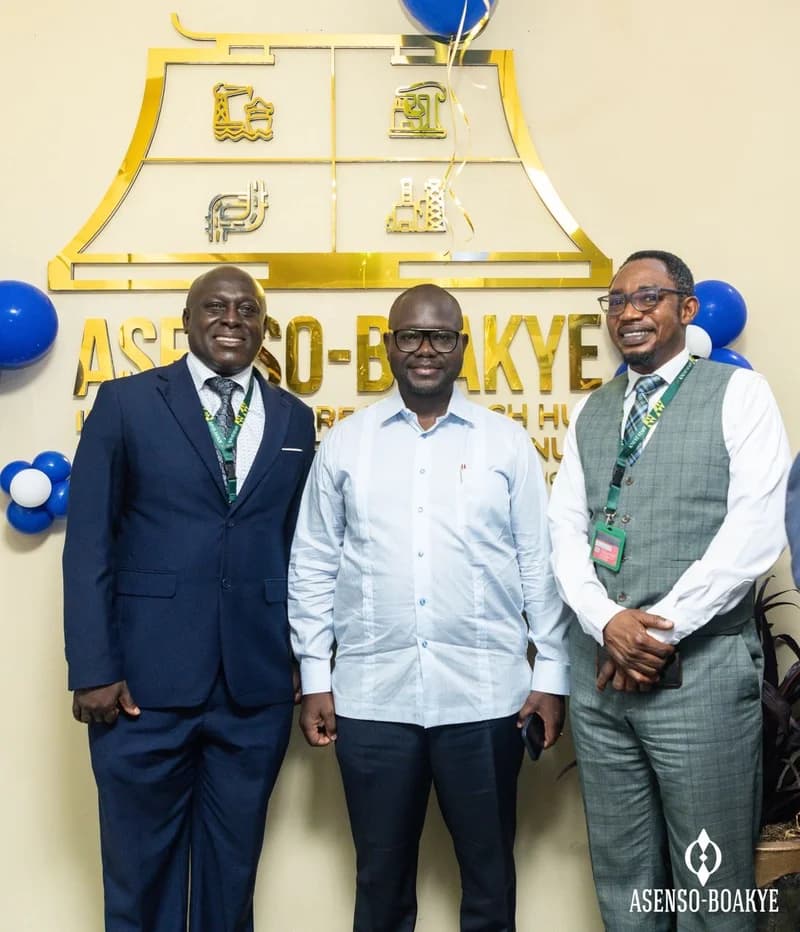
Domestically, the government is intensifying its focus on agricultural and academic infrastructure to drive long-term growth. The launch of the National Seed System Reset Programme at the University of Ghana, supported by the Dutch Embassy, seeks to modernize the country’s seed delivery pipeline to bolster food security and the '24-Hour Economy' initiative. Furthering this research-driven approach, the Kwame Nkrumah University of Science and Technology (KNUST) recently inaugurated the Asenso-Boakye Infrastructure Research Hub. This facility, named in honor of MP Francis Asenso-Boakye, is designed to bridge the gap between academic research and real-world urban planning and sustainable housing challenges.
These multifaceted developments—ranging from international financial backing and diplomatic breakthroughs to cultural exports and agricultural resets—underscore a period of intentional socio-economic transformation. At the recent Ghana Development Awards, stakeholders emphasized that strategic partnerships between the state, private sector, and the diaspora remain critical for sustained resilience. As Ghana moves toward 2026, the successful implementation of these educational reforms and international agreements is expected to address persistent youth unemployment and solidify the nation’s position as a leading economic and cultural hub in West Africa.
This story touches markets covered on Anansi Intelligence ↗.
Live rates
Ghana gold price →More from africa
Continue exploring similar stories


