••
Empowering Ghana’s Future: Cybersecurity Gains and Educational Tourism Take Center Stage
•2 min read•4 sources
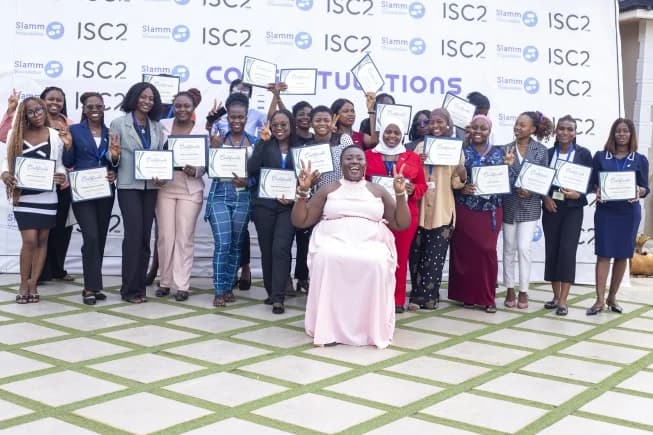
Ghana has taken significant strides in both digital empowerment and cultural education with the recent graduation of a new cohort of female cybersecurity professionals and the launch of a pioneering campus tourism initiative. The Slamm Foundation, in partnership with ISC2, celebrated the graduation of the fourth cohort of its Young Women in Tech (YWIT) programme, while the Minister for Tourism, Culture and Creative Arts, Abla Dzifa Gomashie, inaugurated the Campus Tourism Office at the University of Ghana. Both initiatives underscore a national commitment to equipping the youth with specialized skills and a deeper appreciation for national heritage. The YWIT programme's fourth cohort saw 22 young women complete an intensive two-week boot camp designed to address the stark gender disparity in Africa’s cybersecurity sector. Currently, women represent only 13.5% of the continent’s cybersecurity workforce, a gap that the Slamm Foundation aims to close through technical training, mentorship, and preparation for global certifications. Since its inception in 2019, the foundation has trained over 200,000 individuals, with an ambitious target to reach one million beneficiaries by the end of the decade. Slamm Foundation’s CEO emphasized that such programs are vital for national security and economic stability in an increasingly digital world. Parallel to these technological advancements, the Ministry of Tourism is repositioning the sector as a tool for intellectual and cultural growth. Speaking at the University of Ghana, Minister Abla Dzifa Gomashie advocated for viewing tourism as an 'educational enterprise' rather than an 'extraction industry.' The newly launched Campus Tourism Office aims to institutionalize heritage preservation by encouraging students to engage with cultural landmarks through structured tours. This initiative is designed to foster national pride and cultivate the next generation of tourism professionals, moving beyond commercial exploitation toward sustainable heritage management. These developments reflect a broader strategy to diversify Ghana's economy by investing in both its people and its history. By bridging the talent gap in the digital economy and fostering a culture of preservation in academia, these programs provide a blueprint for sustainable development. Stakeholders from both sectors hope these models—whether in cybersecurity boot camps or campus-based tourism offices—will be replicated across other institutions in Ghana, ensuring that the country's growth is driven by a workforce that is both technically proficient and culturally grounded.
This story touches markets covered on Anansi Intelligence ↗.
More from africa
Continue exploring similar stories


