••
Redefining Romance: Ghana Embraces Local Luxury and Emotional Depth for Valentine’s Day
•3 min read•5 sources
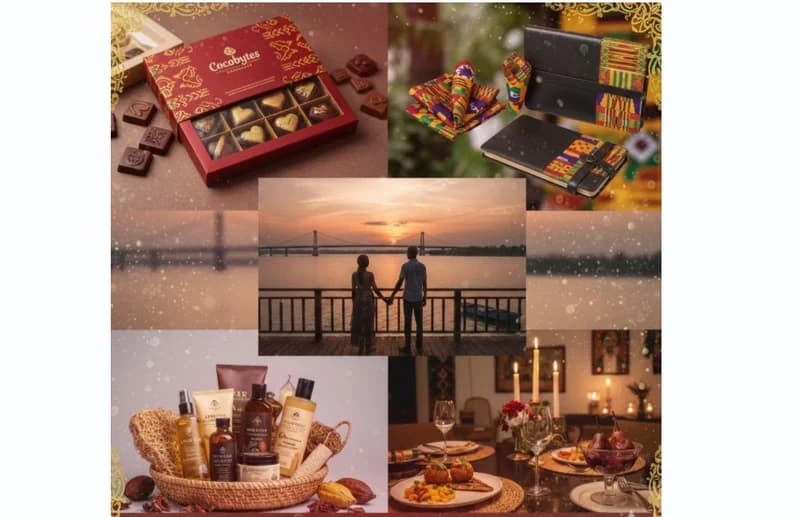
As Valentine’s Day approaches in 2026, the landscape of romantic celebration in Ghana is undergoing a significant transformation. Moving away from generic imported goods, Ghanaians are increasingly prioritizing high-end, locally crafted experiences that resonate with the country’s rich heritage. This shift reflects a burgeoning luxury market and a desire for more authentic expressions of affection. From artisanal products to thought-provoking cultural discourse, the season is being redefined by a blend of material excellence and emotional maturity, signaling a new era for how love is celebrated in the West African nation.
Leading this trend is a preference for homegrown pleasures that highlight Ghana's unique resources and craftsmanship. Among the top gift choices this year are artisanal luxury chocolates that celebrate the country's "Bean-to-Bar" movement, showcasing Ghana’s cocoa pride through handcrafted excellence. Couples are also opting for personalized Kente and Smock accessories, which offer a contemporary fashion twist on traditional textiles. For those seeking tranquility, romantic retreats to the serene Volta Lake and luxury African skincare hampers featuring indigenous ingredients have become highly sought-after. Additionally, the rise of private chef dining experiences allows couples to enjoy intimate, customized meals at home, avoiding the bustle of crowded restaurants.
Parallel to these material shifts is a growing public conversation about the intrinsic meaning of the holiday. In a recent episode of "Behind The Lens with Queen Liz," host Elizabeth Essuman led a deep dive into the theme "The True Purpose of Valentine’s Day: Love, Lust or Legacy?" featuring guests Mrs. Debby and Pan-Africanist Avraham Ben Moshe. The discussion challenged the conventional focus on physical intimacy and transactional gift-giving, urging audiences to consider the emotional foundations of their relationships. The panel argued that while gifts are a meaningful part of the celebration, they should not overshadow the necessity of unity, communication, and mutual respect.
The cultural commentary provided by Essuman and her guests critiques the heavy commercialization of Valentine’s Day, which the panel suggests often mistakes lust or temporary excitement for genuine affection. By advocating for a "legacy-driven" understanding of love, the participants called for a re-evaluation of how younger generations approach commitment and maturity. They emphasized that true connection stems from consistent emotional investment rather than fleeting material gestures. This intellectual reflection complements the shift toward local luxury, suggesting that Ghanaians are looking for substance in both the gifts they give and the relationships they nurture.
Ultimately, these evolving trends suggest that Valentine’s Day in Ghana is no longer just about following global consumerist patterns, but about creating a tailored, culturally grounded experience. By embracing local artisans and engaging in meaningful dialogue about the nature of love, Ghanaians are creating a celebration that is both sophisticated and spiritually grounded. This holistic approach—combining the best of local craftsmanship with a focus on long-term relationship legacies—sets a new standard for romance that honors both the individual and the collective heritage of the nation.
This story touches markets covered on Anansi Intelligence ↗.
More from entertainment
Continue exploring similar stories


