••
Ghana Expands Global Trade Frontier with Strategic US Patent Deal and European Export Partnerships
•3 min read•11 sources
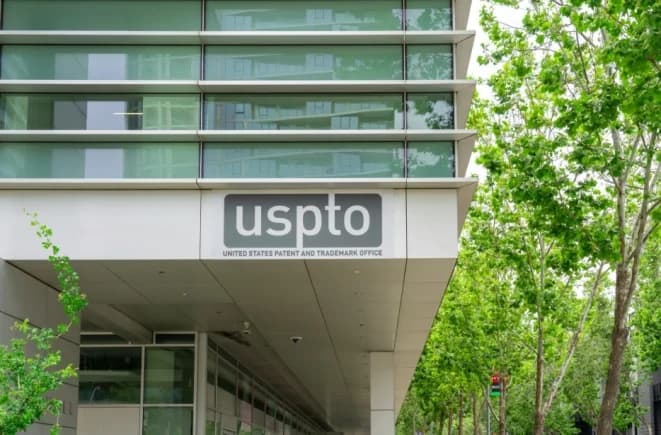
Ghana is aggressively intensifying its efforts to become a major international trade hub through a series of landmark bilateral agreements and institutional partnerships. In a significant move for the continent, Ghana has become the first African nation to sign an Accelerated Patent Grant (APG) arrangement with the United States Patent and Trademark Office (USPTO). Signed in Geneva by Registrar-General Grace Issahaque and USPTO Director John A. Squires, the five-year deal allows U.S. patent holders to expedite applications in Ghana, a move expected to improve examination efficiency and bolster investor confidence as Ghana’s GDP is projected to reach $114 billion by 2025. This legal framework is being matched by high-level diplomatic outreach, including recent trade missions involving Wisconsin Governor Tony Evers and former President John Dramani Mahama to foster deeper commercial ties between Ghanaian and American businesses.
On the European front, the Ghana Export Promotion Authority (GEPA) has formalized a historic partnership with the Netherlands’ Centre for the Promotion of Imports from developing countries (CBI). This Memorandum of Understanding (MoU) is a cornerstone of Ghana’s ambitious strategy to increase non-traditional export revenues to $10 billion by 2030. The collaboration focuses on providing technical assistance, market intelligence, and capacity building for small and medium-sized enterprises (SMEs) in the horticulture and agribusiness sectors, ensuring they meet rigorous European Union market standards. Complementing this, Italy has proposed a massive 3,000-hectare mechanized cocoa development zone under the "Cocoa Connect Initiative." Italian Ambassador H.E. Laura Ranalli emphasized that the project aims to transition Ghana from raw bean exports to the production of high-value, semi-finished and finished chocolate products.
Domestic financial institutions are also aligning to support this export-led growth. The Ghana Export-Import Bank (GEXIM) and the Ghana International Bank (GHIB) have forged a strategic partnership to improve access to international markets and trade finance for local businesses. By combining GEXIM’s domestic financing capabilities with GHIB’s international banking expertise, the collaboration seeks to make Ghanaian SMEs more competitive on the global stage. This institutional support arrives as trade volumes with other major partners like Russia have surged, growing from $247 million in 2022 to over $800 million in 2024, with new cooperations emerging in nuclear energy, agriculture, and fertilizers.
Regionally, Ghana is moving to stabilize and expand its neighborhood trade relations. The Ministry of Trade and Agribusiness recently announced the lifting of an export ban on eggs to Burkina Faso, alongside a reciprocal lifting of restrictions on tomato imports from the neighboring country. This resolution followed successful bilateral discussions aimed at enhancing trade flow and will be managed by a new Joint Technical Committee. These diverse developments—ranging from high-tech intellectual property agreements to agricultural value-addition and regional border stabilization—collectively signal Ghana's commitment to economic diversification and its emergence as a pivotal gateway for trade in West Africa.
This story touches markets covered on Anansi Intelligence ↗.
More from business
Continue exploring similar stories


