••
National Governance Update: Labor Unrest and Sectoral Reform Pressure Government as Policy Dialogues Intensify
•3 min read•37 sources
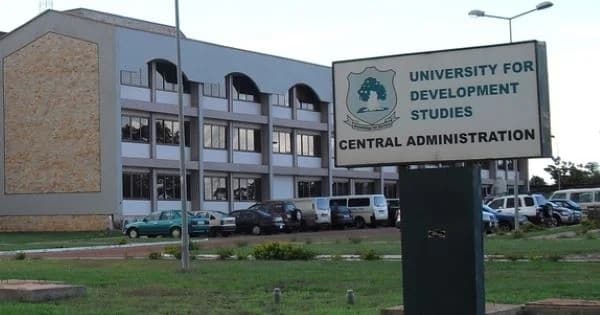
Ghana is currently navigating a period of significant administrative and social pressure as multiple sectors issue ultimatums to the government. The Coalition of Unpaid Teachers, led by National Organiser Eugene Zoranu Segbefia, has threatened an indefinite protest at the Ministry of Finance starting April 15, 2026. The teachers, some of whom have reportedly gone without pay for up to 18 months, are protesting the recruitment of 7,000 new educators while existing salary arrears remain unresolved. This movement has gained backing from the National Association of Graduate Teachers (NAGRAT), which criticized the government for a massive teaching workforce deficit and administrative delays. Simultaneously, the University Teachers Association of Ghana (UTAG) has issued a 14-day ultimatum demanding the removal of the leadership of the Ghana Tertiary Education Commission (GTEC), citing regulatory overreach and an undermining of university autonomy. These tensions were further exacerbated by a security breach at the University for Development Studies (UDS), where unidentified armed men disrupted a Council meeting intended to appoint a new Vice-Chancellor.
In the commercial sector, the Combined Kumasi Central Market Traders Union has delivered a one-month ultimatum for the government to resume work on the second phase of the Kejetia Market Redevelopment Project. Traders expressed frustration over broken promises and deteriorating infrastructure, threatening massive demonstrations if funds are not released by the end of May 2026. Meanwhile, in the Kumasi Central Business District, local traders have also protested against the placement of dustbins by the Kumasi Metropolitan Assembly, citing concerns over hygiene and shop visibility. On the policy front, the National Youth Authority (NYA) CEO, Osman Ayariga, represented Ghana at the Commonwealth Youth Development Summit at the University of Oxford, advocating for Ghana's youth inclusion model as a standard for other nations. This international advocacy is mirrored by local efforts, including the NYA's distribution of vocational tools to apprentices in Weija Gbawe and MP-led initiatives in Ho Central and Offinso North aimed at supporting students and vulnerable groups.
The social and cultural landscape also faces regulatory and traditional challenges. The Alternative Dispute Resolution (ADR) Centre has issued a stern warning against the trend of 'media-driven' dispute resolution, arguing that televised adjudications lack the legal standards of fairness and confidentiality required for professional mediation. In the media space, former minister Otiko Afisa Djaba has called for a 'No Women, No Panels' policy to address the underrepresentation of female experts in public discourse. Additionally, traditional authorities in Akuapem are locked in a dispute over the 200th-anniversary celebration of the Odwira Festival, with some leaders calling for suspension due to succession conflicts while others insist the cultural rites will proceed. These combined developments highlight a critical juncture for Ghanaian governance, requiring urgent intervention to resolve labor disputes, secure academic institutions, and maintain the integrity of professional and traditional systems.
This story touches markets covered on Anansi Intelligence ↗.
More from politics
Continue exploring similar stories


