••
Ghana’s Push for Universal Health Coverage Gains Global Recognition and Private Sector Support
•2 min read•4 sources
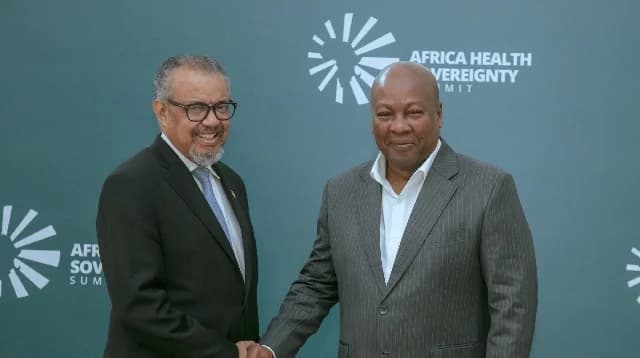
The World Health Organization (WHO) Director-General, Dr. Tedros Adhanom Ghebreyesus, has lauded Ghana’s Free Primary Health Care (FPHC) initiative as a pivotal step toward achieving Universal Health Coverage (UHC). This national program, which carries an annual budget of GH¢1.2 billion, is designed to eliminate financial barriers to essential health services across the country. By focusing on underserved populations, the initiative represents a significant milestone in the development of Ghana's health sector, aiming to ensure that quality care is accessible to all citizens regardless of their economic status or geographic location.
The FPHC rollout is set to target 150 districts, prioritizing preventive care and early disease detection as the foundation of a resilient health system. Key components of the program include comprehensive screenings for non-communicable diseases, routine immunizations, and enhanced maternal health services. Beyond clinical care, the initiative incorporates robust community outreach and the provision of modern medical equipment to rural facilities. Dr. Tedros emphasized that this focus on primary healthcare strengthens the national health system, ultimately improving overall health outcomes and reducing the long-term burden of complex, late-stage illnesses.
Complementing these national efforts, a new strategic partnership has been formed to bolster healthcare delivery specifically in the Western Region. Energy company Eni Ghana, alongside Vitol Upstream Ghana Ltd and the Ghana National Petroleum Corporation (GNPC), recently signed a Memorandum of Understanding (MoU) with the Ghana Health Service. Spanning from 2026 to 2029, this initiative aims to strengthen primary healthcare and emergency response systems. The project is expected to benefit between 180,000 and 380,000 residents by upgrading health facilities and training medical professionals, with a specific focus on maternal and child health.
These dual developments—the nationwide FPHC initiative and targeted regional private-sector partnerships—signal a comprehensive approach to transforming Ghana’s healthcare landscape. By integrating government-led policy with international endorsement and corporate social investment, Ghana is positioning itself as a leader in healthcare innovation in West Africa. As these programs move into their implementation phases, the focus will remain on sustaining funding and ensuring that these enhancements lead to measurable improvements in the lives of the most vulnerable populations.
This story touches markets covered on Anansi Intelligence ↗.
More from africa
Continue exploring similar stories


