••
UN Adopts Historic Ghana-Led Resolution Declaring Transatlantic Slave Trade a Crime Against Humanity
•3 min read•12 sources
The United Nations General Assembly has achieved a landmark milestone in international human rights with the adoption of Resolution A/80/L.48, which formally recognizes the transatlantic trafficking and enslavement of Africans as the gravest crime against humanity. Led by the diplomatic efforts of Ghana and supported by a coalition of 123 nations, the resolution marks a historic shift in global recognition of the injustices faced by nearly 13 million enslaved Africans. President John Dramani Mahama, who spearheaded the initiative, described the adoption as a victory for international solidarity and a long-overdue honor to the memory of those who suffered under racial chattel enslavement.
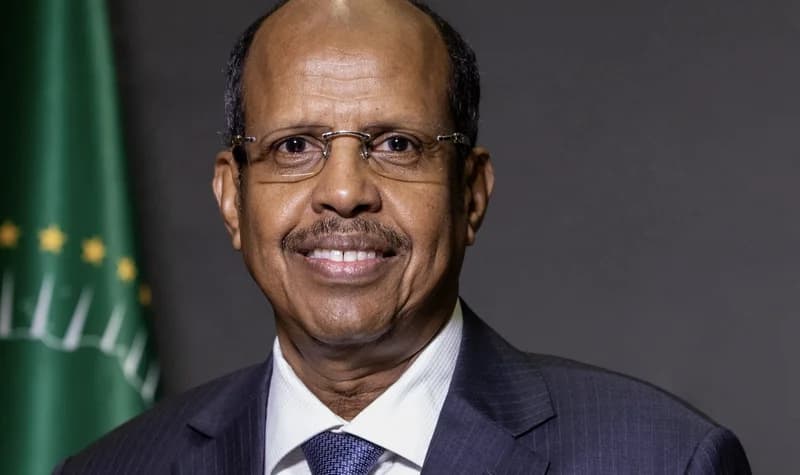
The Chairperson of the African Union Commission joined global leaders in hailing the resolution, emphasizing its alignment with the AU’s Agenda 2063 and its potential to foster truth, justice, and healing. The resolution is viewed not merely as a symbolic gesture but as a critical foundation for reparative justice. By acknowledging the lasting socio-economic effects of slavery, the UN has paved the way for international frameworks to address historical grievances. This achievement was made possible through the collaborative efforts of the African Union, CARICOM, and human rights advocates worldwide, reflecting a unified front against the legacy of colonial-era crimes.
In tandem with these diplomatic developments, the discourse on reparations is gaining technical momentum. Russia has expressed its readiness to assist African nations in quantifying the damages incurred from colonial crimes, with Irina Abramova of the Russian Academy of Sciences offering modern analytical support to build a robust case for reparations. However, local voices, such as Odododiodioo MP Alfred Nii Kotey Ashie, have cautioned that the pursuit of reparative justice must be paired with economic independence. Ashie urged African leaders to reduce their reliance on foreign aid, arguing that true sovereignty and the ability to demand justice effectively require a shift toward self-sufficient economic development.
Beyond human rights and reparations, Ghana’s growing international influence is reflected in its recent diplomatic engagements with the United States. Ghanaian football fans have been exempted from a $15,000 visa bond requirement for the 2026 FIFA World Cup, a privilege not extended to several other African nations. This exemption follows a strategic agreement regarding the repatriation of vetted deportees and highlights the strengthening ties between Accra and Washington. As Ghana continues to lead on both the moral stage of the UN and the practical stage of international relations, these developments collectively underscore the country’s pivotal role in shaping Africa’s global narrative for the mid-2020s.
This story touches markets covered on Anansi Intelligence ↗.
More from africa
Continue exploring similar stories


