••
Ghana and Ukraine Negotiate Strategic Defense Pact as Declassified Entebbe Files Highlight Global Security Challenges
•2 min read•11 sources
Ghana and Ukraine are currently negotiating a comprehensive defense cooperation agreement that signals a deepening of bilateral security ties. This initiative follows a high-level meeting in Kyiv between Ukrainian President Volodymyr Zelensky and Ghana’s Foreign Minister Ablakwa. The proposed pact aims to move beyond standard diplomatic relations by focusing on the supply of advanced drones, electronic warfare components, and extensive training and maintenance services. This collaboration would involve the long-term integration of Ukrainian specialists into Ghana’s defense infrastructure, providing full lifecycle support for military equipment.
However, the negotiations have sparked significant domestic debate regarding transparency and the adequacy of the political mandate. Critics and observers have expressed concerns that the agreement lacks sufficient public discussion, potentially overshadowing Ghanaian societal interests and sovereignty. Skepticism also persists regarding the financial implications and Ukraine’s resource independence, given that the country remains heavily engaged in an ongoing war. These discussions come at a time when Ghana is increasingly sensitive to the influence of external funding and the alignment of international partnerships with local governance standards.
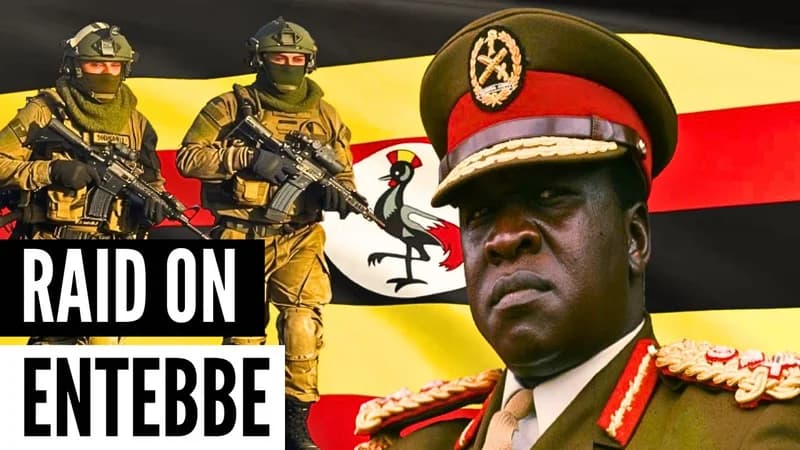
On the international stage, these defense considerations are mirrored by broader diplomatic developments. The 2026 G7 Summit, scheduled for Évian-les-Bains, is expected to address themes of economic resilience, AI, and climate action, all of which will have immediate and tangible impacts on emerging economies like Ghana. Simultaneously, the Israeli government’s recent declassification of documents from the 1976 Entebbe rescue operation provides a historical lens through which to view modern security dilemmas. These archives, released ahead of the 50th anniversary, detail the complex decision-making process of Prime Minister Yitzhak Rabin’s administration as they balanced diplomacy with military action on African soil.
Ultimately, these shifting dynamics highlight the complexities Ghana faces in modernizing its security and economic framework. From the technological advancements of the proposed Ukraine deal to the global policy shifts expected at the G7, the nation’s leadership is tasked with balancing immediate tactical needs with long-term strategic sovereignty. The historical insights from the Entebbe files serve as a reminder of the enduring tension between negotiation and force in international relations. As these agreements progress, stakeholders are calling for greater transparency and public engagement to ensure that Ghana’s international commitments reflect the collective interests of its citizens.
This story touches markets covered on Anansi Intelligence ↗.
More from politics
Continue exploring similar stories


