••
UCC Innovator Unveils AI-Powered Devices to Combat Food Fraud and Boost Agricultural Productivity in Ghana
•2 min read•2 sources
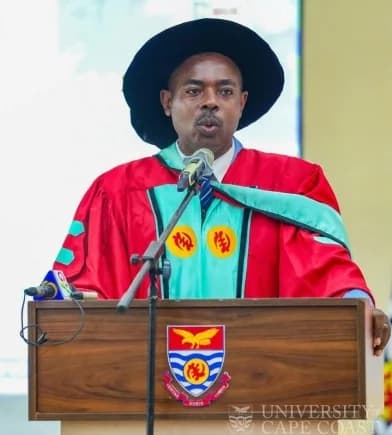
In a significant leap for Ghana's agricultural and public health sectors, Reverend Professor Ernest Teye of the University of Cape Coast (UCC) has unveiled a suite of innovative mobile-based AI technologies and handheld devices designed to detect unsafe food and combat agricultural fraud. These tools, which utilize advanced near-infrared spectroscopy and artificial intelligence, are capable of analyzing the chemical composition of food and agricultural inputs in seconds without damaging the samples. By providing instant results via smartphone apps or built-in screens, the technology aims to empower farmers, regulators, and consumers with the ability to identify hidden toxins, adulterants, and contaminants in real-time.
The application of these technologies extends beyond human consumption to the very start of the agricultural value chain. Professor Teye's research highlights a critical crisis in African agriculture, where up to 50% of seeds are estimated to be counterfeit, severely impacting crop yields and farmer incomes. These new tools allow stakeholders to verify seed authenticity, assess fertilizer quality, and evaluate soil health directly in the field. By ensuring that farmers use genuine inputs, the technology seeks to bolster national food security and improve the livelihoods of rural communities who are often the most vulnerable to fraudulent agricultural products.
Beyond productivity, the economic implications of food fraud are staggering, costing Ghana billions in potential export revenue and damaging the nation's reputation on the international market. During a recent inaugural lecture, Prof. Teye emphasized that food fraud is not just an economic issue but a major public health risk that requires urgent national attention. The ability to detect food freshness and contamination quickly could prevent widespread illness and restore confidence in local food systems, which is essential for sustainable national development.
To ensure these innovations reach their full potential, Professor Teye has called for the establishment of a national food integrity framework and the creation of an AfriFood Integrity Centre at the University of Cape Coast. This proposed center would serve as a hub for research, collaboration, and the scaling of agricultural innovations across the continent. With government support and cross-sector cooperation, these home-grown technological solutions could play a pivotal role in securing Ghana's food future and positioning the country as a leader in food safety and agricultural integrity.
This story touches markets covered on Anansi Intelligence ↗.
More from technology
Continue exploring similar stories


