••
Ghana’s Traditional and Creative Sectors Drive National Identity as International Tourism Surges by 11 Percent
•3 min read•6 sources
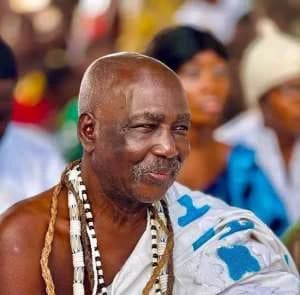
Ghana is navigating a significant period of cultural and institutional transition, highlighted by the passing of Nii Tetteh Otu II, the Paramount Chief of the Kpone Traditional Council, who served for 37 years. His death, announced by Mankralo Nii Ofosu Oblie VI, marks the end of an era dedicated to preserving local customs and the Kpone State. Concurrently, the nation is witnessing a robust expansion in its global appeal, with the 2025 Ghana Tourism Report revealing an 11.35% increase in international arrivals during the 'December in GH' festive season. Total international visits for the year reached over 1.3 million, signaling a growing interest in the country's heritage and the vibrant cultural contributions of the African diaspora.
This cultural resurgence is further echoed in the literary and creative arts as stakeholders push for a revival of indigenous narratives. Author Bismark Tutu Ani has launched 'AMANE ADESA’ of Monsters and Gods,' a work aimed at reviving African mythology and encouraging Ghanaians to reconnect with their roots through traditional storytelling. In the professional sphere, industry leaders are moving to protect these cultural assets through legal frameworks. At the 'Who Owns Your Work?' workshop in Accra, representatives from the fashion, textile, and manufacturing sectors, supported by Deputy Minister Sampson Ahi, advocated for stronger intellectual property (IP) protections. This initiative, part of the preparations for the 2026 Alternative Fashion Fabric Fair, emphasizes the critical need for legal awareness to ensure African creators maintain ownership and value within the global market.
Beyond culture and trade, there is a mounting focus on governance and institutional integrity across civil and religious life. The STAR-Ghana Foundation is currently advocating for the integration of volunteerism into the national development agenda, citing it as a vital tool for enhancing governance and empowering marginalized groups. Executive Director Ibrahim Tanko-Amidu noted that fostering a culture of volunteerism could address youth disengagement and unemployment across 91 communities. Simultaneously, in the religious sector, Pastor Williams Kumuyi of the Deeper Christian Life Ministry has sparked a dialogue on leadership standards by rejecting hereditary succession. He asserted that church leadership should not be bequeathed to family members, reinforcing the principle that religious institutions belong to the faith community rather than individuals.
Despite a slight decline in international tourism receipts from $4.83 billion to $4.34 billion, the overall outlook for Ghana’s tourism and services sectors remains resilient. The rise in domestic tourism, with 1.79 million site visits in 2025, and the growth of licensed tourism enterprises indicate a maturing market capable of sustained growth. As the Kpone Traditional Council begins the customary procedures for a new successor and the creative industries strengthen their intellectual property rights, these combined efforts in tradition, literature, governance, and commerce are shaping a more structured and globally competitive national identity for Ghana.
This story touches markets covered on Anansi Intelligence ↗.
More from africa
Continue exploring similar stories


