••
Africa Regional Update: Security Crisis in the Sahel, Recovery Efforts in Morocco, and Major Labor Disruptions in Kenya
•3 min read•11 sources
The West African sub-region is reeling from a tragic security breach following a confirmed terrorist attack on Ghanaian tomato traders in Titao, northern Burkina Faso. The Group for the Support of Islam and Muslims (JNIM), an Al-Qaeda-affiliated organization, has claimed responsibility for the assault, which targeted a truck and reportedly resulted in dozens of casualties, including Burkinabe soldiers and Ghanaian civilians. In the aftermath, Ghana’s Minister for the Interior, Mohammed Muntaka Mubarak, issued a stern appeal to the public to cease the distribution of graphic images and videos of the victims on social media. The Minister confirmed that while 18 traders were caught in the crossfire, local authorities have facilitated the burial of the deceased after collecting DNA samples for identification, while survivors continue to receive medical treatment.
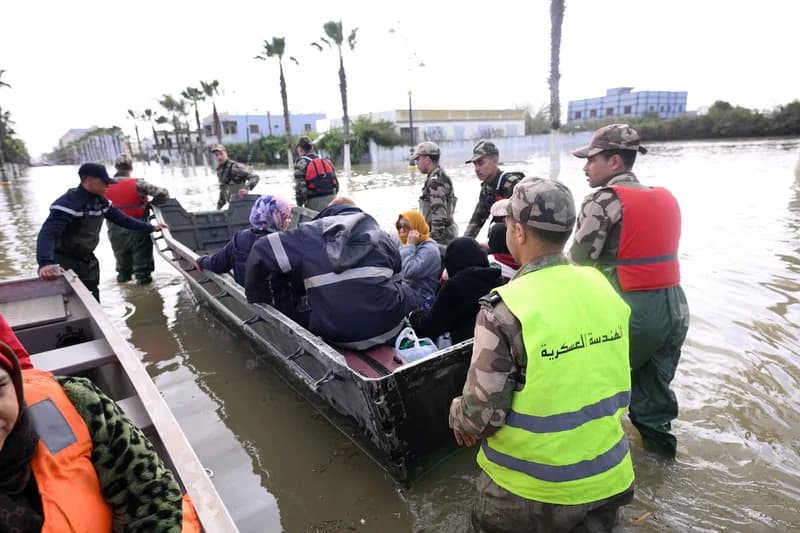
Simultaneously, North Africa is seeing a transition from disaster to recovery as Moroccan authorities begin the organized return of residents to Ksar El Kebir and other flood-ravaged regions. Following a winter of record-breaking rainfall that ended a seven-year drought, the Moroccan army successfully evacuated approximately 188,000 people to mitigate the impact of flooding across 110,000 hectares. To support the rebuilding process, the Moroccan government has announced an investment of 3 billion dirhams ($330 million) aimed at upgrading damaged infrastructure and providing direct assistance to affected households. While the rainfall has significantly bolstered national water storage levels, the scale of the displacement has necessitated a massive state-led logistics operation to provide free transportation for displaced citizens returning to their communities.
In East Africa, the aviation sector faced significant turmoil as a strike by the Kenya Aviation Workers Union (KAWU) grounded operations at Nairobi’s Jomo Kenyatta International Airport. The labor action, centered on disputes over stagnant pay and poor working conditions, left thousands of passengers stranded and caused flight delays exceeding four hours. While Kenya Airways and the Kenya Airports Authority have implemented contingency measures to restore flight schedules, the strike highlights growing labor tensions within the region’s transport hubs. Meanwhile, Nigeria’s Ministry of Foreign Affairs has issued an urgent international warning following the deaths of two Nigerian citizens in the Ukraine conflict. The ministry revealed that many citizens are being lured into foreign military contracts under the guise of job opportunities and educational scholarships, often signing documents in foreign languages without legal representation.
These combined events underscore a period of profound volatility and transition across the African continent. From the persistent threat of extremist groups like JNIM in the Sahel to the complex challenges of climate-induced disasters and labor unrest, regional governments are increasingly forced to balance immediate crisis management with long-term infrastructure and security investments. As Ghana and Burkina Faso work to secure vital trade corridors for essential goods like tomatoes, and Nigeria collaborates with international partners to halt illegal recruitment, the need for enhanced cross-border cooperation and public awareness remains a critical priority for stability and economic resilience.
This story touches markets covered on Anansi Intelligence ↗.
More from africa
Continue exploring similar stories


