••
Concerns Over Ghana’s Road Infrastructure and Public Safety Heighten Following Tema Motorway Cracks and Nkawkaw Tanker Accident
•3 min read•4 sources
Ghana’s transportation network and public safety protocols are under renewed scrutiny following a series of infrastructure failures and hazardous road incidents. Motorists and commuters are expressing significant alarm over the structural integrity of major transit points, most notably at the recently upgraded Tema Motorway Interchange. This anxiety is compounded by a dangerous gas tanker accident in the Eastern Region and ongoing challenges with road maintenance that have historically paralyzed key arterial routes connecting Kasoa and Accra. These events have sparked a broader conversation about the durability of the nation's road investments and the necessity for accurate public information regarding transport policies.
On June 11, 2026, visible cracks were reported on the asphalt surface of the Tema Motorway Interchange, specifically along the Afienya-Akosombo stretch. The observation has raised serious doubts among motorists about the quality of the construction, as the interchange is a vital link between Tema, Accra, and other major hubs. Despite a second phase of the project being completed as recently as December 2024, the emerging fissures suggest a rapid deterioration under increasing traffic volumes. Users are now urgently calling on the Ministry of Roads and Highways to investigate the cause of these cracks and implement corrective measures to protect the significant capital investment and ensure commuter safety.
Simultaneously, a high-risk traffic accident occurred at Nkawkaw Apesika involving a gas tanker, which resulted in injuries to two individuals. The Ghana National Fire Service (GNFS) was forced to act quickly, dispatching a team from the Mpraeso Fire Station to secure the scene against potential fire or gas leaks. Led by ADO I Effah, the emergency responders successfully rescued the victims and transported them to the Nkawkaw Roman Hospital. This incident underscores the persistent dangers on Ghana's highways, where the combination of heavy-duty vehicle traffic and road conditions often leads to life-threatening situations requiring rapid specialized intervention.
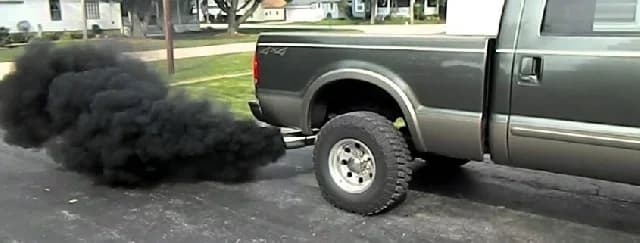
In addition to physical infrastructure challenges, the Driver and Vehicle Licensing Authority (DVLA) recently faced a wave of public confusion following a misleading report from Classfmonline. The media outlet has since issued an unreserved apology for erroneously suggesting that mandatory vehicle emission testing had been introduced. This misinformation added unnecessary stress to a public already weary of transport-related hurdles, such as the recurring gridlocks on the Kasoa-Accra road. Historical precedents, including severe traffic chaos caused by silt blockages and stuck trucks near Tuba Junction, highlight the long-standing nature of these transit difficulties. Together, these developments emphasize the urgent need for robust infrastructure maintenance, transparent policy communication, and enhanced emergency response systems to ensure the stability of Ghana's transport sector.
Related topic
Ghana Fire Service Recruitment: Latest News Today →
