••
Ghana Faces Escalating Climate Threats: Researchers Warn of 'Super El Niño' as Youth Advocates Demand Urgent Action
•3 min read•14 sources
Ghana is bracing for a series of severe climate-related challenges as experts from the University of Energy and Natural Resources warn of a predicted 'Super El Niño' set to emerge by 2026. This warning follows a recent catastrophic mudslide in Adaklu-Helekpe, Volta Region, where a heavy downpour on May 20, 2026, buried five houses and nine vehicles under debris from the 600-meter Adaklu Mountain. While no human fatalities were reported, the loss of livestock and property highlights the growing vulnerability of Ghanaian communities to extreme weather events. These localized disasters underscore the broader environmental crisis facing the nation, ranging from systemic climatic shifts to man-made environmental degradation.
Climate researchers Dr. Frederick Otu-Larbi and Dr. Caleb Mensah have detailed the profound economic risks posed by the upcoming El Niño event. Drawing parallels to the devastating droughts of 1982-1983 and the energy crises of 2015-2016, the authors warn that reduced rainfall and heightened temperatures will likely cripple agricultural productivity and hydropower generation. The Akosombo Dam remains particularly vulnerable to low reservoir levels during these periods, which historically leads to severe electricity shortages and economic instability. To mitigate these risks, experts are calling for an immediate expansion of solar energy capacity and the implementation of robust early warning systems to protect rain-fed agriculture.
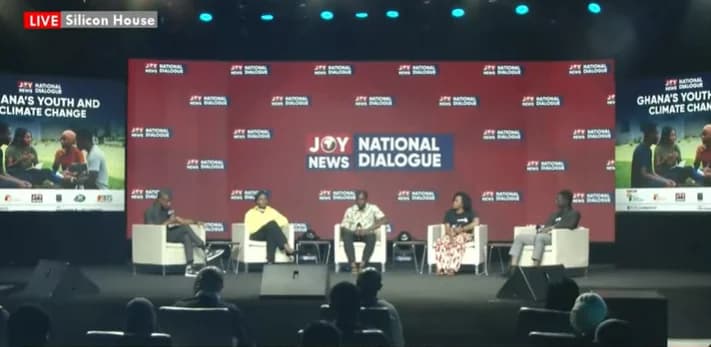
Compounding these natural phenomena is the critical issue of plastic waste, which youth climate reporters identify as a primary driver of urban flooding. Speaking at a recent JoyNews National Dialogue, Amada Tenga, a youth advocate from the Upper West Region, highlighted the normalization of indiscriminate plastic disposal in Bamaahu. Tenga observed that plastic-clogged gutters significantly exacerbate flooding during heavy rains and that the common practice of open burning further pollutes the atmosphere. Her documentation of these issues in the Wa municipality serves as a call for collective community action to reform waste management practices and protect local ecosystems from preventable damage.
Education and youth engagement are emerging as pivotal components of Ghana’s climate resilience strategy. Ebenezer John Arhin, Director of Operations at Reformation Community, emphasized at the National Dialogue that while climate change is a natural phenomenon, human activities have dramatically intensified its impact. Arhin noted that structured training programs are essential for demystifying climate science for the youth, enabling them to lead effective national climate action. By bridging the gap between natural climate processes and human-induced effects, advocates hope to foster a more informed generation capable of navigating the complexities of environmental stewardship.
As Ghana navigates these intersecting crises, the path forward requires a blend of technological adaptation and grassroots mobilization. The Adaklu mudslide serves as a sobering reminder of the need for proactive disaster management and safety assessments in high-risk areas. Meanwhile, the projected Super El Niño demands a national shift toward energy diversification and localized food production. Ultimately, the synthesis of expert scientific monitoring, youth-led environmental advocacy, and comprehensive public education will be vital for Ghana to build a sustainable and resilient future in the face of an increasingly volatile global climate.
This story touches markets covered on Anansi Intelligence ↗.
More from africa
Continue exploring similar stories


