••
Ghana Intensifies Environmental Reforms Amidst Severe Flooding and Global Climate Pressures
•3 min read•20 sources
Ghana is at a critical environmental crossroads as the government implements sweeping regulatory changes to combat pollution and climate risks. The Environmental Protection Authority (EPA) has announced a nationwide ban on Styrofoam products, effective January 1, 2027, covering all expanded polystyrene foam items like food packaging and insulation, though medical applications remain exempt. This policy follows a commitment by President John Dramani Mahama to enhance sanitation and reduce plastic waste. Simultaneously, the European Union has commended Ghana for its proactive steps in establishing a traceable and legal cocoa supply chain ahead of the EU Deforestation Regulation (EUDR), which takes effect on December 30, 2026. COCOBOD’s new traceability systems and risk assessment methodologies are viewed as essential for protecting Ghana’s vital cocoa export economy against global environmental standards.
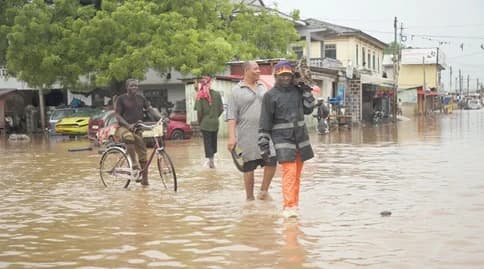
While long-term policies take shape, immediate climate challenges are testing national resilience. A major rainstorm on May 26 triggered widespread flooding across Accra, displacing families in communities such as Adabraka, Alajo, and Darkuman. The National Disaster Management Organisation (NADMO) has activated emergency response centers to coordinate rescue efforts and is introducing a mobile app for improved flood reporting. Dennis Nartey Ajannor, NADMO’s Greater Accra Regional Director, emphasized that the crisis is exacerbated by improper waste disposal into drains, which blocks water channels during heavy rains. This local flooding mirrors broader concerns raised by the African Climate Foundation regarding a looming ‘Super El Niño,’ which threatens the continent with severe droughts and food insecurity between 2026 and 2030.
Addressing these challenges requires a shift in both education and innovation. Researchers, including Dr. Samuel Cornelius Nyarko, are calling for urgent investment in climate change education, noting that current school curricula are inadequate and that even educators often harbor significant misconceptions about environmental science. To bridge this gap, workshops are now focusing on equipping teachers with practical, locally relevant knowledge. On the technological front, grassroots initiatives in Northern Ghana are offering a blueprint for sustainability. In Bawku, residents have begun transitioning from petrol-powered motorbikes to electric bikes to combat air pollution and navigate security-related fuel restrictions. These early adopters are seeing improved health outcomes and lower costs, aligning with the government’s National Electric Vehicle Policy goal of a cleaner transportation system by 2045.
However, tensions remain between industrial development and environmental preservation. In the Berekum West District, chiefs and residents of Amomaso and Benkasa have vowed to resist proposed mining activities on their agricultural lands, citing threats to their livelihoods and the failure of current laws to curb illegal mining. This community-led resistance highlights the need for more robust land-use planning, a sentiment echoed by marine experts advocating for Marine Spatial Planning (MSP) to manage Ghana’s increasingly congested coastal resources. As the nation moves toward these various 2026 and 2027 deadlines, the success of Ghana’s environmental strategy will depend on the effective coordination between high-level policy enforcement, infrastructure improvements, and community-level engagement.
This story touches markets covered on Anansi Intelligence ↗.
More from africa
Continue exploring similar stories


