••
Study Highlights Risks of Nutrition Misinformation on Social Media for Ghanaian Students
•2 min read•2 sources
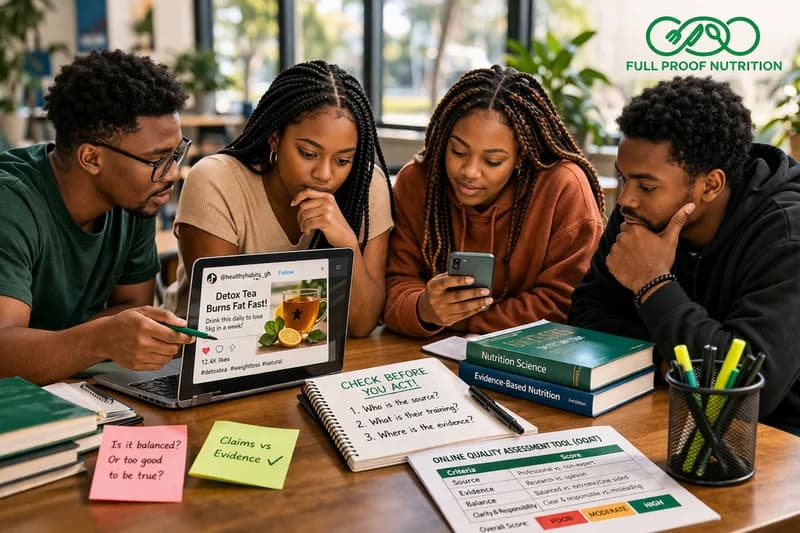
A recent study conducted at the University of Ghana has raised significant concerns regarding the quality of nutrition advice consumed by young adults on social media. Led by Dr. Laurene Boateng and her student, Gerald, the research examined how undergraduate students navigate the increasingly complex landscape of digital health information. The study underscores a growing shift from traditional, evidence-based sources to social media platforms, where unverified claims often dictate the dietary choices and health behaviors of the youth.
The research involved a survey of 200 undergraduate students and utilized the Online Quality Assessment Tool (OQAT) to evaluate the credibility and quality of nutrition messages received online. The findings revealed a troubling trend: significant health decisions are being influenced by influencers rather than qualified professionals. Much of this information is characterized as oversimplified or outright misinformation, which lacks the scientific rigor necessary for sound health guidance. The study suggests that the accessibility and persuasive nature of social media personalities often outweigh the visibility of credible experts in the digital space.
To address these challenges, Dr. Boateng emphasizes the urgent need for enhanced digital nutrition literacy among the public. Recommendations from the study include fostering a healthy skepticism toward unverified online sources and encouraging credible health professionals to establish a stronger presence on social media platforms. Furthermore, the researchers advocate for educational institutions to integrate nutrition education and digital literacy into their academic curricula to empower students to discern fact from fiction. By bridging the gap between scientific evidence and digital content, stakeholders hope to protect the well-being of the younger generation in an era of information overload.