••
Ghana Education Sector: New STEM and International Language Initiatives Face Challenges from Staffing Shortages and Housing Crises
•3 min read•18 sources
Ghana’s educational landscape is undergoing a period of significant transition, marked by ambitious infrastructure projects and international partnerships alongside persistent systemic hurdles. In a major move for the Upper West Region, the Daffiama-Bussie-Issa (DBI) District has broken ground on the region’s first specialized STEM Senior High School. Led by Richard Anthounma Jakpa of the National Security Council, the project represents one of the largest governmental investments in the district’s history and is expected to be completed within 12 months. To complement this physical expansion, 600 dual desks were donated to local basic schools to alleviate severe furniture shortages. Meanwhile, in Accra, Italian Ambassador Laura Ranalli announced that the first Italian language school in the capital is slated to open by late 2026, initially focusing on kindergarten and early primary education to foster cultural and academic exchange between the two nations.
While urban and specialized sectors see growth, rural communities and tertiary institutions are grappling with acute resource deficits. In the Amansie South District, over 34 communities in the Manso Keniago enclave are facing a critical teacher shortage, with some schools operating with only one or even zero staff members. Residents have warned that the absence of a permanent District Director of Education has crippled effective supervision, leading to rising dropout rates. Simultaneously, at the university level, a housing crisis has intensified as student enrollment—particularly at the University of Ghana, which surged from 23,000 in 2012 to nearly 59,000 in 2024—outpaces the state’s ability to provide beds. Experts from the Kwame Nkrumah University of Science and Technology (KNUST) argue that while rent exploitation by private hostel owners is a concern, the long-term solution lies in tax incentives and expanded supply rather than artificial rent controls that might discourage private investment.
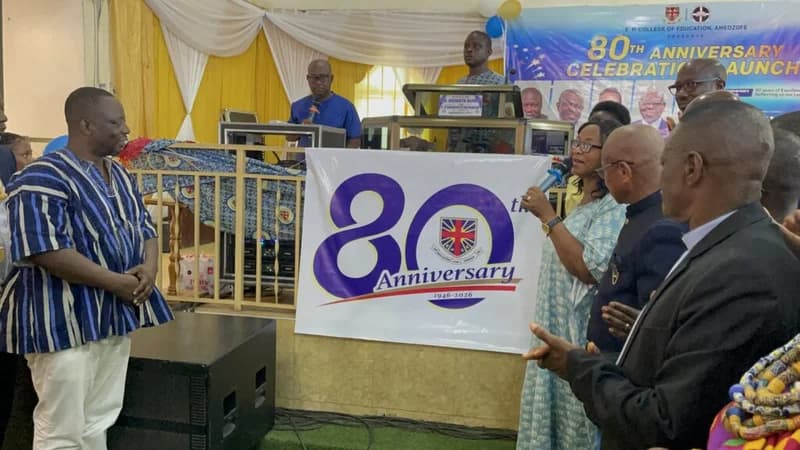
Amidst these structural challenges, the sector continues to celebrate academic excellence and institutional longevity. The maiden Ladé Wosornu Students Poetry Contest was recently held in Accra, where Accra High School emerged as the winner among six competing senior high schools. The event, which promotes indigenous languages and creative arts, is expected to expand regionally in the coming years. Additionally, the Evangelical Presbyterian College of Education (AMECO) in Amedzofe has launched its 80th-anniversary celebrations for 2026. The institution plans to tackle its own infrastructure needs through the establishment of a College Endowment Fund and a sustainable water supply system. These developments collectively highlight a sector at a crossroads, where the drive for modernization and artistic promotion must be balanced against the urgent need for basic staffing in rural areas and affordable housing for the growing student population.
This story touches markets covered on Anansi Intelligence ↗.
More from education
Continue exploring similar stories


