••
Navigating Fame and Fortune: West African Stars Open Up on Industry Shifts, Financial Struggles, and Personal Priorities
•3 min read•12 sources
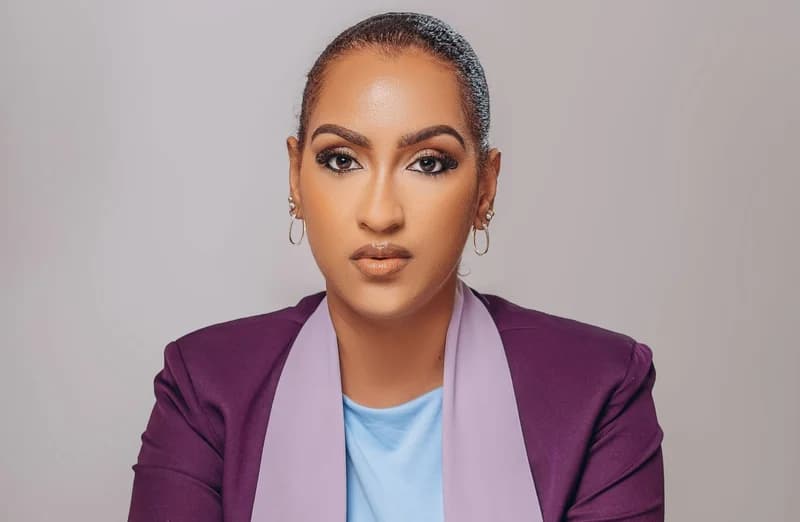
The West African entertainment landscape is currently dominated by a series of raw and revealing narratives from industry veterans and modern stars alike, ranging from financial hardships to high-stakes career moves. In a poignant revelation that has touched many, veteran Ghanaian actor Paa George shared his lifelong struggle with housing, admitting he has been renting in Accra since 1963 despite over three decades in the industry. This narrative of financial caution is echoed by actress Juliet Ibrahim, who recently reflected on her early career, admitting that a lack of financial education was a major mistake that hindered her wealth management. These stories highlight a growing trend of entertainers speaking candidly about the economic realities behind the glamour and the importance of long-term planning.
Beyond financial matters, the industry's future and regional dynamics are being fiercely debated among content creators. Skitmaker Carterefe sparked controversy on 'The Honest Bunch Podcast' by declaring that skit-making 'is dead,' citing his own transition to streaming as a response to the industry's perceived decline. However, fellow creator Nasboi quickly countered this claim, asserting that the industry remains a thriving space and that evolving personal careers should not undermine the work that brought initial success. Amidst this debate, former Metro TV presenter Riyah Abdul made headlines by relocating from Ghana to Nigeria. Abdul explained that she felt her talents were undervalued in her home country and viewed Nigeria’s vibrant entertainment scene—which she likened to New York—as the ultimate stage for global recognition.
Personal lives and family dynamics have also taken center stage in recent public discourse. Nollywood actor Daniel Etim Effiong sparked a debate on family priorities by stating that he places his marital relationship with his wife above his bond with his children, arguing that a strong marital foundation is essential for family stability. Similarly, Juliet Ibrahim shared her evolving views on love, expressing a renewed openness to marriage following a period of personal growth and healing from past trauma. Meanwhile, the Nigerian music scene was hit with a viral claim from a man alleging to be the biological father of Afrobeats star Asake. The man claimed he gave Asake up for adoption as a teenager due to his own irresponsibility, though the singer has yet to respond to these allegations.
These stories collectively reflect a maturing industry where stars are increasingly willing to challenge traditional roles and address systemic issues. Whether it is King Nasir discussing the high earnings of the adult film industry or Juliet Ibrahim advocating for financial literacy and investment, there is a clear shift toward transparency. As talent continues to migrate across borders and veterans share the hard-earned lessons of their long careers, the West African entertainment sector appears to be entering a phase of deep introspection, where personal stability and professional evolution are prioritized as much as public acclaim.
This story touches markets covered on Anansi Intelligence ↗.
More from entertainment
Continue exploring similar stories


