••
Ghana’s Sporting Future: Massive Stadium Infrastructure Pledged, FIFA Enforces Female Coaching Mandates, and Boxing Legend D.K. Poison Honored
•3 min read•7 sources
In a series of significant developments for the Ghanaian and international sporting landscapes, infrastructure, gender equity, and the welfare of retired legends have taken center stage. Former President and current flagbearer John Dramani Mahama has announced an ambitious plan to construct six modern stadiums across Ghana by 2027 as part of his ‘Resetting Ghana Tour.’ The initiative aims to provide world-class sporting facilities in every region, with the first three stadiums scheduled for construction in 2026 and an additional three in 2027. According to Mahama, these facilities are currently in the design phase and are intended to serve as more than just sports venues; they are envisioned as economic hubs designed to foster local business activities, job creation, and community engagement.
This infrastructure drive is specifically targeted at regions currently lacking adequate stadium facilities, prioritizing balanced regional development to enhance the competitiveness of Ghanaian football and provide training grounds for local athletes. Mahama emphasized that this vision is already captured within a long-term plan aimed at using sports as a catalyst for social and economic transformation. By integrating these structures into the national development framework, the initiative seeks to ensure that every part of the country can contribute to and benefit from the nation's sporting success, while providing a foundation for the next generation of talent to compete on the global stage.
On the international front, FIFA has introduced landmark regulations to drive gender equality within the sport. The world football governing body now mandates that every participating team in women’s tournaments must include at least one female head coach or assistant coach on the bench. This rule, which takes effect for the under-17 and under-20 Women’s World Cups and the Women’s Champions Cup, also requires a minimum of two female staff members to be present on each team's bench. The initiative, championed by FIFA’s chief football officer Jill Ellis, aims to dismantle barriers for women in coaching. This move comes after statistics from the 2023 Women's World Cup revealed that only 12 of the 32 coaches were female, highlighting a significant gender gap that FIFA intends to close by the 2027 Women’s World Cup in Brazil.
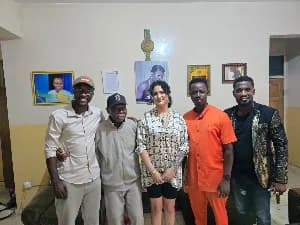
Back in Ghana, the focus on sports development extended to the welfare of its most celebrated veterans. Ghana’s first-ever boxing world champion, David Kotei, popularly known as D.K. Poison, has been appointed as a Non-Executive Director at PKO. This appointment is part of a broader effort to honor the contributions of sports legends and provide them with meaningful roles after their active careers. Beyond the professional title, the PKO initiative includes comprehensive care for the boxing icon, providing for his medical needs and a monthly stipend to ensure his well-being. D.K. Poison expressed his gratitude for the support during challenging times, noting that such gestures serve as an essential model for how institutions can give back to those who have brought national pride.
Together, these developments signal a multi-faceted approach to the growth of sports in Ghana and beyond. From the grassroots level and infrastructure expansion to international regulatory shifts and the dignified treatment of former champions, the sports sector is witnessing a transition toward greater inclusivity and professional sustainability. As Ghana prepares for potential infrastructure upgrades and adjusts to new international coaching standards, the focus remains on building a resilient and equitable sporting environment that honors its past while investing heavily in its future.
This story touches markets covered on Anansi Intelligence ↗.
More from sports
Continue exploring similar stories


