••
Ghana Intensifies Fight Against Sports Trafficking as 2026 World Cup Approaches
•3 min read•14 sources
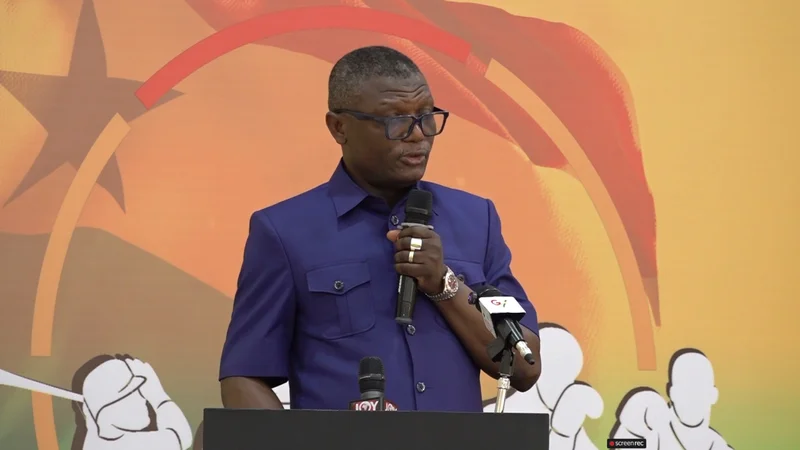
Ghana’s Minister for Sports and Recreation, Kofi Iddie Adams, has revealed a troubling statistic: over 30% of aspiring Ghanaian athletes have encountered exploitative recruitment practices linked to human trafficking. Speaking at a National Forum on Trafficking Through Sports in Accra, organized by the International Organization for Migration (IOM), the Minister characterized these schemes as a "structured informal economy" designed to exploit the ambitions of young talent. As the 2026 FIFA World Cup in North America draws closer, both the Ghanaian government and international partners are intensifying efforts to shield athletes and fans from fraudulent travel schemes and predatory agents.
The Minister highlighted the life-and-death stakes of this issue by citing the tragic case of Senegalese goalkeeper Cheikh Touré, who was lured to his death under the false promise of a professional trial. To address the economic vulnerabilities that drive young players into the hands of traffickers, the government is focusing on strengthening the domestic sports ecosystem. Key measures include providing one million Ghana cedis to each Premier League club and significantly increasing prize money for league winners in future seasons. By improving player welfare and financial stability at home, the Ministry aims to create safer, more credible pathways for talent development, reducing the pressure on athletes to seek unverified opportunities abroad.
U.S. Ambassador to Ghana Rolf Olson echoed these concerns during the forum, which was themed "Play It Safe: Choose the Right Path in Sports." Olson called for more stringent regulation of sports academies and recruitment systems to deter criminal networks. He specifically cautioned aspiring athletes and fans against believing individuals who promise or guarantee visas for the 2026 World Cup. Emphasizing that holding a tournament ticket does not guarantee visa approval, the Ambassador urged all applicants to be truthful and follow official channels. He commended Ghana’s progress in anti-trafficking efforts and pledged continued cooperation between U.S. authorities, Ghanaian officials, and the IOM.
The risks associated with major international tournaments extend beyond the pitch, as fans also frequently fall victim to sophisticated travel and visa fraud. The IOM, represented by Eric Kwame Akomanyi, stressed that misinformation is the primary tool used by traffickers to deceive the public. In response, the Ghanaian government is implementing stricter controls and verification processes for travel arrangements to ensure the safety of all citizens traveling for the event. Moving forward, the Ministry of Sports and Recreation and its partners aim to sustain a national awareness campaign involving the media and local communities to protect the dreams of Ghana’s youth and ensure the integrity of the sports sector.
This story touches markets covered on Anansi Intelligence ↗.
More from sports
Continue exploring similar stories


