••
Diplomatic Gains and Economic Tensions: Ghana Navigates New Bilateral Deals as Global Conflicts Intensify
•3 min read•78 sources
Ghana is actively reshaping its international standing through landmark agreements with South Korea and Jamaica, even as domestic political discourse becomes dominated by mounting economic concerns. Foreign Minister Samuel Okudzeto Ablakwa recently announced a historic visa waiver for diplomatic and service passport holders with South Korea, marking a milestone in nearly 50 years of relations, with negotiations for ordinary passport holders expected to follow. Simultaneously, a significant pact with Jamaica will see the deployment of 400 Ghanaian nurses to support the Caribbean nation’s healthcare sector, reviving formal ties after a 21-year hiatus. However, these diplomatic strides are being met with internal friction over the cost of living, specifically regarding a rumored 20 percent transport fare hike and a proposed 0.75 percent wallet-to-bank transfer charge. Minority Leader Alexander Afenyo-Markin has warned the government against "smuggling" in the charge without parliamentary approval, labeling it an unconstitutional attempt to revive the repealed E-Levy.
The domestic economic debate has further extended to the integrity of the national currency and fiscal inclusivity. The Convention People’s Party (CPP) has urged the Bank of Ghana to enforce the acceptance of pesewa coins to curb artificial price inflation caused by rounded-up figures. On the transport front, while the GPRTU and GRTCC have officially disavowed rumors of an immediate fare increase, Deputy Minister for Trade Sampson Ahi acknowledged that rising fuel and spare part costs are placing immense pressure on the sector, necessitating ongoing government intervention. These economic pressures are also being viewed through a social lens, as the Network for Women’s Rights in Ghana (NETRIGHT) has called for gender-responsive budgeting to address structural inequalities in the 2026 national budget, particularly for women in agriculture and unpaid care work.
On the international stage, the Middle East is at a "dramatic turning point" as Israeli forces captured the historic Beaufort Castle in southern Lebanon, marking their deepest incursion into the territory in 26 years. This move has prompted France to call for an emergency UN Security Council meeting and drawn warnings from Iran that continued aggression could collapse its fragile ceasefire and indirect negotiations with the United States. This geopolitical instability coincides with a significant shift in U.S. policy toward Africa; the State Department plans to reduce visa-processing embassies on the continent from nearly 50 down to 20 by June. This consolidation into regional hubs is expected to create substantial travel hurdles and increased costs for applicants across Africa as part of a broader immigration crackdown by the Trump administration.
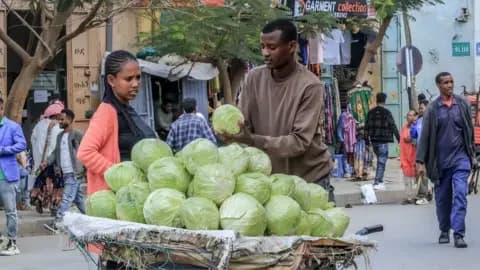
In regional governance and legal outcomes, Ethiopia’s seventh parliamentary elections have concluded amidst reports of high turnout but significant controversy, as conflicts in Tigray and regional insurgencies excluded many from the process. While Prime Minister Abiy Ahmed’s Prosperity Party is poised for a landslide, critics argue the election lacks true competition due to the suppression of dissent. Elsewhere, the UK government has won a major legal battle at the Permanent Court of Arbitration, which ruled that London is not liable for over £100 million in damages sought by Rwanda following the cancellation of the controversial migrant deportation scheme. In Senegal, political uncertainty remains high as Ousmane Sonko’s Pastef party announced it will not join the new government, signaling a complex road ahead for President Bassirou Diomaye Faye’s administration despite its parliamentary strength.
This story touches markets covered on Anansi Intelligence ↗.
More from politics
Continue exploring similar stories


