••
Ghana High Commission Pauses South Africa Repatriation Registration Amid Surge in Applications and Rising Tensions
•3 min read•18 sources
The Ghana High Commission in Pretoria has announced a temporary suspension of new registrations for its voluntary repatriation program, effective June 2, 2026. This administrative pause is a direct response to an unexpected surge in demand, with over 1,500 applications currently pending processing. The influx follows the successful return of an initial group of 300 Ghanaian citizens, which prompted many more to seek assistance in returning home. Officials emphasized that the suspension is temporary and intended to ensure administrative efficiency and coordination with South African authorities before a new registration phase is announced.
The spike in repatriation requests occurs against a backdrop of deteriorating security and economic conditions in South Africa. Expatriate communities have faced increasing hostility from anti-immigrant vigilante groups, leading to incidents of violence, looting, and business takeovers. Recent reports from the region indicate a tragic escalation, including the deaths of several Mozambican nationals in Mossel Bay during protests against undocumented immigrants. In response to these xenophobic attacks, the Ghanaian government has previously issued travel advisories urging citizens to avoid non-essential travel to South Africa and has facilitated evacuation flights for those displaced by the unrest.
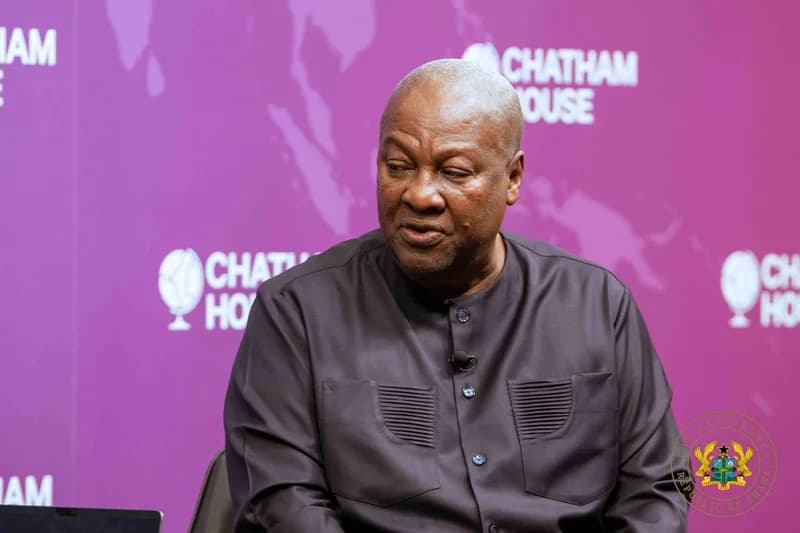
Addressing the crisis from a diplomatic perspective, President John Dramani Mahama urged African nations to support South Africa in tackling its underlying socio-economic challenges rather than allowing foreign nationals to be scapegoated. Speaking at Chatham House on June 1, 2026, Mahama argued that high unemployment and poverty among the local population are the true drivers of anti-foreigner sentiment. While reaffirming the strong bilateral ties between Ghana and South Africa, he criticized the narrative that immigration is the cause of South Africa's economic stagnation. Similarly, former South African President Thabo Mbeki has defended African migrants, asserting that the nation’s economic crises are rooted in systemic issues and that public frustration is being dangerously misdirected.
As the High Commission works through the backlog of applications, the situation highlights a broader trend of shifting migration patterns within the African continent. While South African authorities maintain that their policies are aimed at internal security and addressing criminal behavior rather than targeting specific nationalities, the human impact of the current tensions remains significant. For the over 1,500 Ghanaians awaiting repatriation, the program offers a vital path to safety. The Ghana High Commission continues to urge its citizens in South Africa to remain in close contact with diplomatic offices as they prepare for the next phase of the voluntary return initiative.
This story touches markets covered on Anansi Intelligence ↗.
More from africa
Continue exploring similar stories


