••
Ghana Intensifies Fiscal Oversight: SOE Performance Ultimatum Issued Amid Gold Reserve and Transparency Debates
•3 min read•41 sources
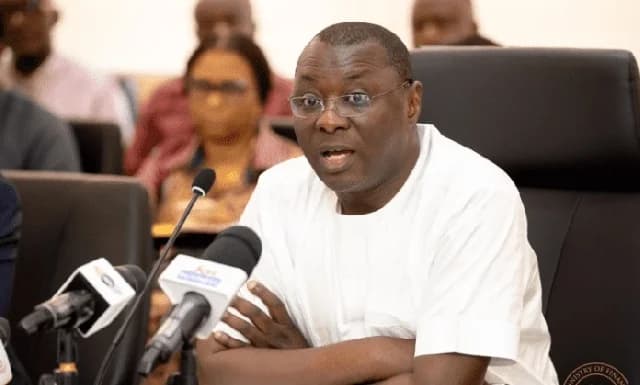
Ghana’s economic governance has entered a period of intense scrutiny as the government issues a stern ultimatum to underperforming State-Owned Enterprises (SOEs) while simultaneously defending the management of national gold reserves. At the 2026 SIGA Annual Stakeholders’ Conference, Vice President Professor Jane Naana Opoku-Agyemang and Deputy Finance Minister Thomas Nyarko Ampem signaled an end to the culture of inefficiency, warning that loss-making institutions face immediate reform, merger, or dissolution. To instill private-sector discipline, the government has officially banned the payment of bonuses to management and staff in loss-making SOEs and set a strict deadline of April 30, 2026, for all specified entities to submit their audited financial statements to the State Interests and Governance Authority (SIGA).
This drive for accountability is set against a backdrop of significant financial strain, particularly in the energy sector, which costs the state approximately $1.47 billion annually in shortfalls. To address historical opacity in this sector, Energy Minister John Abdulai Jinapor announced the upcoming launch of an online portal that will make all Power Purchase Agreements (PPAs) accessible to the public. This initiative, supported by the Open Government Partnership (OGP) Caucus, aims to prevent the recurrence of costly legal disputes and secretive negotiations that have previously led to massive financial liabilities for the state. Similarly, the Tree Crops Development Authority (TCDA) has introduced a new Conveyance Certification System to regulate the transport of key crops like cashew and oil palm, further tightening regulatory control over national assets.
However, the government’s fiscal strategies are facing fierce resistance from the Parliamentary Minority and former officials. A major controversy has erupted over the Bank of Ghana’s decision to sell over 50% of the nation’s gold reserves in 2025, generating approximately $1.5 billion. Former Finance Minister Dr. Mohammed Amin Adam has demanded a transparent accounting of these proceeds, alleging the sale might be a tactic to mask central bank losses. While Gold Board CEO Sammy Gyamfi defended the move as a strategic portfolio adjustment previously briefed to Parliament, the debate continues to stir concerns over policy consistency and the long-term health of Ghana’s external buffers.
Legislative tension remains high as the Minority Caucus recently rejected the proposed Value for Money Office Bill, 2026, arguing that the new bureaucratic layer would fuel corruption rather than mitigate it. Minority Leader Alexander Afenyo-Markin maintains that existing laws like the Public Financial Management Act are sufficient if properly enforced. Despite these domestic frictions, international partners remain engaged; the Minority recently met with World Bank Managing Director Paschal Donohoe to advocate for equitable capacity-building and agricultural investment. As Parliament passes the Ghana Deposit Protection (Amendment) Bill to safeguard depositors, the nation stands at a crossroads between aggressive structural reforms and a deepening political divide over the transparency of economic management.
This story touches markets covered on Anansi Intelligence ↗.
Live rates
Ghana gold price →More from politics
Continue exploring similar stories


