••
Legal Scrutiny Intensifies for Ghanaian Public Figures as Sky Train Prosecution Closes and Supreme Court Advances Payroll Fraud Trial
•3 min read•15 sources
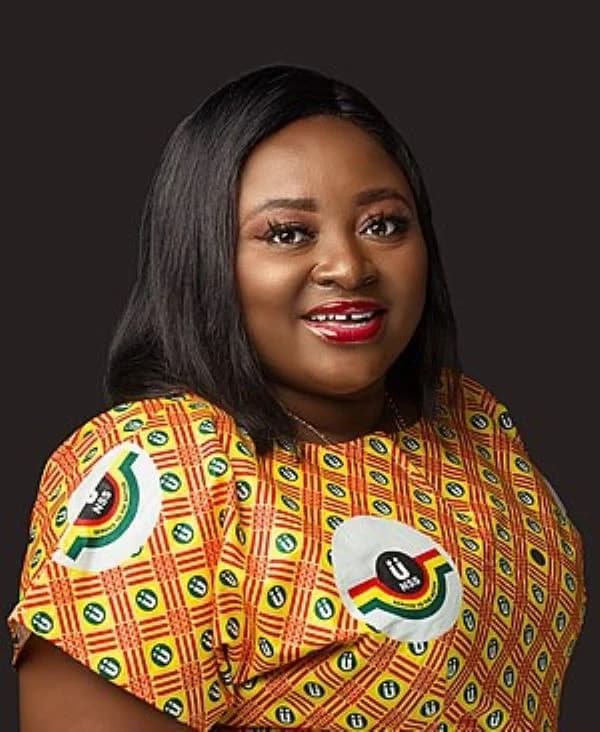
The Attorney General's office has officially concluded its case in the high-profile Accra Sky Train trial, marking a significant milestone in the investigation of alleged financial misconduct. Former officials of the Ghana Infrastructure Investment Fund (GIIF), specifically former CEO Solomon Asamoah and former Board Chairman Professor Christopher Ameyaw-Akumfi, are accused of causing a US$2 million financial loss to the state. The prosecution's case centers on allegations that these funds were disbursed for the Sky Train project without the mandatory approval of the GIIF board. Over the course of the trial, three witnesses, including former board members, testified that the project had not received formal authorization. The court, presided over by Justice Audrey Kocuvie-Tay, has granted the defense until June 8, 2026, to file a 'submission of no case,' which argues that the prosecution failed to establish sufficient evidence to proceed. Following the closure of the prosecution's case, a public debate has emerged regarding the traceability of the $2 million. Deputy Attorney General Dr. Justice Srem-Sai suggested that the funds in question cannot be traced; however, this claim has been robustly refuted by Kow Abaka Essuman, former legal advisor to ex-President Akufo-Addo. Essuman maintains that the funds are clearly traceable through documented audited financial statements and board minutes already presented to the court. He asserts that these governance records demonstrate proper fund handling within the GIIF structure, suggesting that the prosecution's narrative of missing funds is unsubstantiated by the evidence. This clash over documentation will be a critical factor as the judge evaluates the defense's upcoming submissions. The legal landscape has also been shaped by several other high-stakes cases involving public figures and entities. The Supreme Court of Ghana recently dismissed an application to halt the criminal trial of Gifty Oware-Mensah, a former Deputy Executive Director of the National Service Authority. Oware-Mensah is charged with causing a financial loss of over GH¢38 million through a fraudulent scheme involving 'ghost names' on the payroll. Similarly, political attention has shifted to the Netherlands following the arrest of Asante Akyem North MP Kwame Ohene Frimpong at Schiphol Airport. Dutch authorities have accused the MP of money laundering and involvement in romance scams. Meanwhile, a civil dispute over the ownership of Quick Credit (now Bills Micro-Credit Ltd) has reached the High Court, with Joana Quaye challenging her ex-husband Richard Nii Armah Quaye's claim of sole ownership. These diverse legal challenges underscore a period of heightened accountability and judicial activity in Ghana. From infrastructure project mismanagement to payroll fraud and international financial crimes, the outcomes of these cases will have deep implications for institutional integrity and the future of public service governance. As the defense for the former GIIF officials prepares their submission of no case, the focus remains on whether the judiciary will find sufficient grounds to hold these officials accountable or if the provided governance records will exonerate them. These proceedings continue to test the strength of Ghana's legal frameworks in managing public funds and investigating financial crimes.
This story touches markets covered on Anansi Intelligence ↗.
More from politics
Continue exploring similar stories


