••
Ghana Enhances Inclusive Development through Targeted Skills Training and STEM Innovation Programs
•2 min read•6 sources
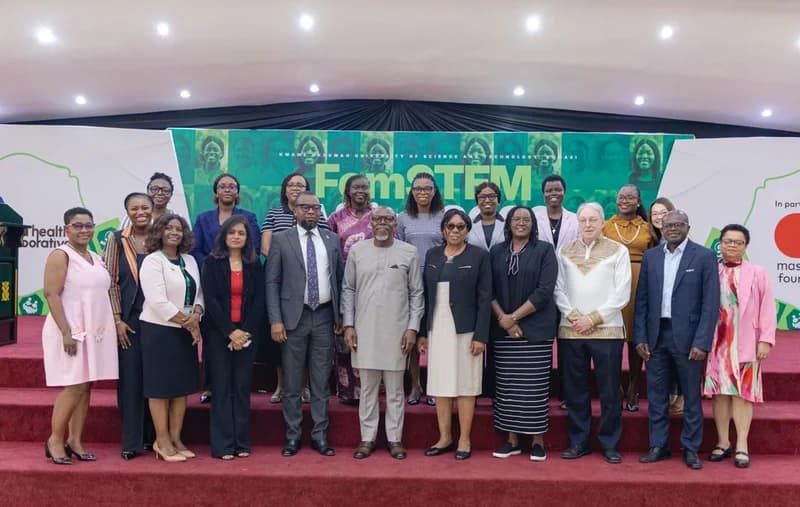
Ghana’s educational and vocational landscape is undergoing a significant transformation with the launch of two major initiatives aimed at empowering marginalized groups. The first cohort of the We Can Work Academy recently commenced an intensive Core Life Skills training program, while the Kwame Nkrumah University of Science and Technology (KNUST) hosted the inaugural FemSTEM Africa 2026 conference. Both programs, supported by the Mastercard Foundation, represent a coordinated effort to foster inclusivity in the workforce and the burgeoning fields of Science, Technology, Engineering, and Mathematics (STEM).
The We Can Work Academy, which officially began its sessions on June 1, 2026, is specifically designed to support young women and men with disabilities. Held across three locations—the University of Energy and Natural Resources (UENR) in Sunyani, Women’s Haven in Kumasi, and HapaSpace in Danyame—the six-week program focuses on personal development, communication, and workplace readiness. Utilizing the 'Tree of Life' methodology, the training encourages participants to reflect on their personal journeys to build self-awareness and resilience. This initiative is a collaborative effort involving MDF West Africa, the Ghana Federation of Disability Organisations, and Light for the World, all aimed at creating pathways toward dignified employment and entrepreneurship for persons with disabilities.
Simultaneously, the FemSTEM Africa 2026 conference at KNUST has brought together over 300 female students from STEM-focused Senior High Schools and universities to champion women's roles in health innovation. Under the theme "From Vision to Venture: Women Leading Health Innovation," the event featured prominent speakers like Professor Ellis Owusu Dabo and Dr. Penina Lam, who urged participants to view healthcare challenges as opportunities for entrepreneurial ventures. The conference emphasized the importance of mentorship and networking, providing a platform for successful women entrepreneurs to share experiences on overcoming stereotypes and building resilience in traditionally male-dominated fields.
These initiatives highlight a broader strategic move toward inclusive growth and systems change in Ghana. By providing specialized training for young people with disabilities and fostering an environment for women to lead in health technology, these programs address critical gaps in the national development agenda. As these cohorts progress, the focus remains on ensuring that the skills acquired translate into sustainable livelihoods and innovative solutions that benefit the entire African continent. The partnership between academic institutions, non-governmental organizations, and international foundations continues to be the cornerstone of these efforts to ensure no Ghanaian is left behind in the future economy.
This story touches markets covered on Anansi Intelligence ↗.
More from education
Continue exploring similar stories


