••
Ghana Revitalizes Strategic Partnerships Amid Continental Shifts and International Diplomatic Tensions
•3 min read•38 sources
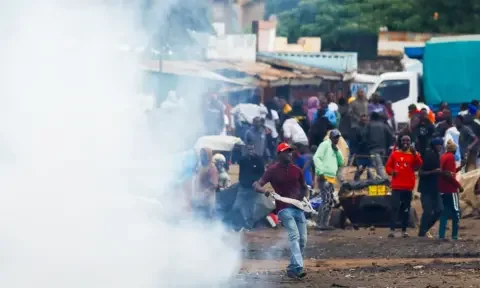
Ghana is significantly expanding its diplomatic and security footprint through a series of high-level bilateral engagements aimed at regional stability and economic growth. Foreign Affairs Minister Samuel Okudzeto Ablakwa recently heralded the inaugural session of the Ghana–Sierra Leone Permanent Joint Commission for Cooperation (PJCC) as a milestone in reviving historic ties. First established in 2013, the commission has now finalized six Memoranda of Understanding and a bilateral agreement covering essential sectors such as trade, agriculture, and health. Simultaneously, German Ambassador Frederik Landshöft reaffirmed Germany's commitment to Ghana's security, specifically through the Coastal States Stability Mechanism. This partnership with Minister for the Interior Muntaka Mohammed-Mubarak focuses on enhancing maritime security in the Gulf of Guinea and addressing emerging threats in northern border communities, ensuring Ghana remains a pillar of stability in West Africa.\n\nWhile Ghana strengthens its external ties, regional stability faces significant hurdles elsewhere on the continent. In South Africa, the diplomatic relationship with Ghana has come under strain following a resurgence of xenophobic attacks against migrants, leading Ghana to summon South Africa's envoy, Thando Dalamba. This unrest coincides with a massive corruption scandal within the South African Police Service, where National Commissioner Fannie Masemola has been suspended over a $21 million health contract. Further east, Tanzania has released a sobering report confirming that 518 people died in unrest following the 2023 elections, highlighting ongoing concerns regarding democratic processes in the region. In Nigeria, authorities have indicted six individuals, including military strategist Colonel Mohammed Ma'aji, in an alleged coup plot against President Bola Tinubu, further complicating the West African political landscape.\n\nOn the international stage, legal and economic shifts in the United States are drawing global attention. The US Justice Department has dropped its investigation into Federal Reserve Chairman Jerome Powell regarding building cost overruns, opting instead for an internal inquiry. This move comes amid political pressure from President Donald Trump, who has criticized Powell's management and the $3.1 billion renovation costs. Meanwhile, US-UK relations are expected to see a boost with an upcoming state visit from King Charles and Queen Camilla, which President Trump suggested could repair ties. In trade, Prime Minister Mark Carney of Canada has indicated that a ban on US liquor could be lifted if the US addresses metal and automobile tariffs, showcasing the intricate link between domestic policy and international commerce that continues to shape Ghana's global economic environment.\n\nThe synthesis of these developments reveals a continent at a critical crossroads. While nations like Benin have successfully navigated leadership transitions—confirming Romuald Wadagni as the successor to Patrice Talon—others like Libya remain at a 'critical crossroads' of political fragmentation and economic mismanagement according to the United Nations. For Ghana, these events underscore the necessity of its current diplomatic strategy: diversifying partnerships with nations like the Netherlands, the Bahamas, and Japan while maintaining a vigilant role in regional security dialogues. As Ghana prepares to implement its new MoUs with Sierra Leone and security protocols with Germany, the focus remains on translating high-level diplomacy into tangible safety and economic prosperity for its citizens.
This story touches markets covered on Anansi Intelligence ↗.
More from politics
Continue exploring similar stories


