••
Ghana’s Security Strategy Under Scrutiny Amid Middle East Tensions and Anti-ISIS Operations
•3 min read•28 sources
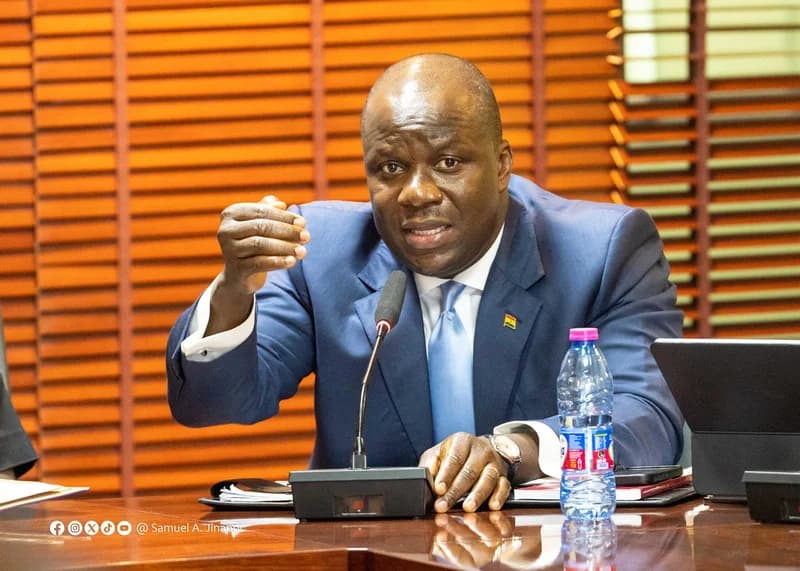
Ghana’s foreign policy and national security strategy are under intense debate following disclosures by Foreign Affairs Minister Samuel Okudzeto Ablakwa regarding the country’s role in international counter-terrorism operations. During a recent address at Chatham House, Ablakwa revealed that Ghana collaborated with the United States and Nigeria in airstrikes targeting ISIS militants in Nigeria on Christmas Day 2025. These revelations have sparked a firestorm in Parliament, with the Minority Caucus warning that such public admissions could expose the country to retaliatory attacks from extremist groups active across West Africa. Deputy Ranking Member on the Foreign Affairs Committee, Nana Ayer Asafo-Adjei, criticized the lack of discretion, arguing that disclosing operational details compromises national safety and breaks the long-standing tradition of confidentiality in security matters.
The crux of the domestic controversy centers on the specific nature of Ghana’s involvement. While some opposition members interpreted the Minister's remarks as suggesting Ghana served as a launchpad for military strikes, defense analysts and journalists have clarified that the support was likely limited to Intelligence, Surveillance, and Reconnaissance (ISR) missions conducted under a 2018 defense agreement. Security consultant Richard Kumadoe has urged the government to provide a clear briefing to the public to ensure these actions align with the national interest. Meanwhile, Ablakwa has defended the administration's approach, arguing that Ghana’s policy against hosting permanent foreign military bases is vindicated by the increasing volatility of foreign installations in the Middle East, such as those targeted in recent Iranian missile strikes.
These security concerns are compounded by recent incidents involving Ghanaian personnel and citizens caught in the crossfire of escalating Middle East tensions. In Lebanon, five Ghanaian peacekeepers serving with the United Nations Interim Force (UNIFIL) were critically injured on March 6 when an Israeli missile struck their position. The Minority in Parliament has since called on the Israeli Ambassador to Ghana, Roey Gilead, to ensure the safety of non-combatant peacekeepers and demanded a full investigation into the strike. Additionally, the Ministry of Foreign Affairs condemned a drone attack near Dubai International Airport that injured two Ghanaian nationals, emphasizing the growing risks faced by Ghanaians in the Gulf region as the conflict between Israel, Hezbollah, and Iran intensifies.
As Ghana navigates this complex global landscape, the government continues to balance international defense partnerships with its commitment to national sovereignty. The broader regional context remains unstable, with reports of injuries to Iran’s new Supreme Leader, Mojtaba Khamenei, and escalating drone warfare involving Western and Middle Eastern powers. For Ghana, the next steps involve addressing the Minority’s demands for transparency regarding military cooperation while ensuring that its citizens abroad, particularly those in peacekeeping and high-risk zones, are adequately protected. The ongoing debate underscores the challenge of maintaining a non-aligned yet proactive foreign policy in an era of heightened global extremist threats.
This story touches markets covered on Anansi Intelligence ↗.
More from politics
Continue exploring similar stories


