••
Security Recruitment Crisis: 500,000 Apply for 5,000 Slots Amid Allegations of 'Massive Scam'
•3 min read•23 sources
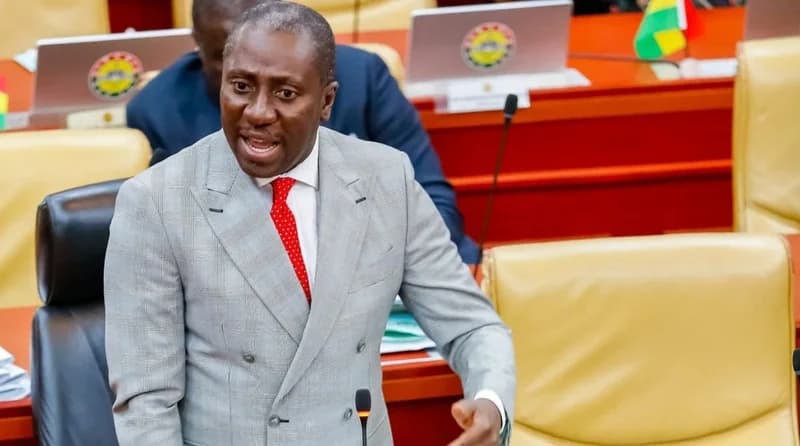
Ghana’s Ministry of the Interior is facing intense scrutiny following the revelation that over 500,000 young Ghanaians applied for just 5,000 available positions within the nation's security services. Interior Minister Muntaka Mohammed-Mubarak disclosed that the applicant pool included approximately 75,000 university graduates and 330,000 senior high school leavers. Despite the overwhelming demand, only 105,000 candidates successfully qualified for the medical screening stage after an online aptitude test, which utilized a 65% pass mark to manage the high volume of interest. The massive disparity between applicants and vacancies has sparked a national conversation about youth unemployment and the transparency of the recruitment process.
The Minority in Parliament has characterized the exercise as a "massive scam," with Rev. John Ntim Fordjour, a ranking member of the Defence and Interior Committee, accusing the Ministry of profiting over GH¢100 million from application fees. The Minority claims that over 500,000 youth paid GH¢200 each to apply, questioning the ethics of collecting such sums when only a fraction of candidates could realistically be employed. Minority Leader Alexander Afenyo-Markin has further called for the abolition of AI-based and online aptitude tests, citing significant technical hurdles for applicants in rural areas who lack digital skills. These frustrations have been echoed on social media, where failed candidates have demanded refunds and criticized the lack of transparency regarding their specific test scores.
In defense of the process, Minister Mohammed-Mubarak emphasized the need for a rigorous, centralized system to ensure fairness and filter out candidates with mental health or drug-related issues. He explained that fiscal constraints are the primary barrier to larger intake, noting that the current security personnel count is already under 100,000 with a staggering annual wage bill of approximately GH¢13 billion. The Minister also revealed a puzzling development where 25,000 youth failed to attend interviews for support roles created in collaboration with the Youth Employment Agency, which were intended to absorb some of the excess applicants for the Police, Fire, and Prison services.
As the government navigates the fallout, officials have urged patience and restraint, promising that the data of candidates who passed their medical exams will be retained for future opportunities. The Ministry has signaled that a significant new recruitment phase may be possible in 2026 after Ghana exits its current IMF program and economic conditions stabilize. However, the Minority continues to demand immediate accountability and refunds for those disqualified, maintaining that the centralized recruitment model has sidelined individual security agencies and undermined public trust in the state's employment practices.
This story touches markets covered on Anansi Intelligence ↗.
More from politics
Continue exploring similar stories


