••
Ghana Deepens Russia Ties Amid Escalating Middle East Tensions and Global Geopolitical Shifts
•3 min read•33 sources
Ghana and the Russian Federation concluded high-level political consultations in Accra on March 12, 2026, aimed at strengthening a 68-year partnership built on mutual trust. Led by Ghana’s Eric Owusu-Boateng and Russia’s Anatoly Bashkin, the technical session explored expanded cooperation in agriculture, energy diversification, technology transfer, and industrial development. However, the discussions also addressed sensitive diplomatic hurdles, including the alleged enlistment of Ghanaian youth in Russian military operations and legal cooperation regarding the exploitation of Ghanaian women. These talks come at a critical juncture as both nations look toward the upcoming Russia-Africa Summit in October 2026 and navigate regional instability in the Sahel.
The Accra consultations occurred against a backdrop of severe global military escalation. Former U.S. President Donald Trump has called for an international naval coalition to secure the Strait of Hormuz following 16 reported attacks on merchant vessels. This follows reports of massive U.S. and Israeli strikes on Iranian military infrastructure, which allegedly resulted in the death of Supreme Leader Ayatollah Khamenei. In response, the U.S. Central Command has deployed additional Marines and warships, including an amphibious ready group led by the USS Tripoli, to protect maritime interests. Iran’s new leadership has vowed retaliation, further driving up global oil prices and disrupting international travel.
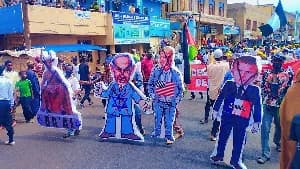
Compounding these tensions is a controversial shift in U.S. energy policy. The Trump administration recently issued a one-month waiver easing sanctions on Russian oil to mitigate the economic fallout from the Middle East conflict. While the Kremlin welcomed the move, pro-Ukraine advocates warned it could provide a $10 billion monthly windfall for Vladimir Putin’s war efforts. President Trump suggested that Russia might be assisting Iran with military intelligence, even as the U.S. continues to support Ukraine against Russian forces. This complex web of alliances is mirrored in regional protests; in Abuja and Cape Town, pro-Iran demonstrators defied bans to mark Quds Day, protesting U.S. and Israeli military actions.
Amidst this international turmoil, political shifts are also unfolding across the African continent. In the Republic of Congo, 82-year-old President Denis Sassou Nguesso is poised to extend his 40-year rule in an upcoming election characterized by a fractured opposition and concerns over transparency. Simultaneously, Ghana’s own foreign policy remains under scrutiny following the surfacing of details regarding a 2018 defense agreement with the U.S., which facilitates military cooperation against extremist groups like ISIS. As global powers realign, Ghana continues to balance its long-standing Western defense ties with emerging Eastern economic partnerships, navigating a world increasingly defined by both diplomatic dialogue and open conflict.
This story touches markets covered on Anansi Intelligence ↗.
More from politics
Continue exploring similar stories


