••
Ghana Repatriates 327 Nationals Displaced by Côte d'Ivoire Demolition Exercise
•2 min read•7 sources
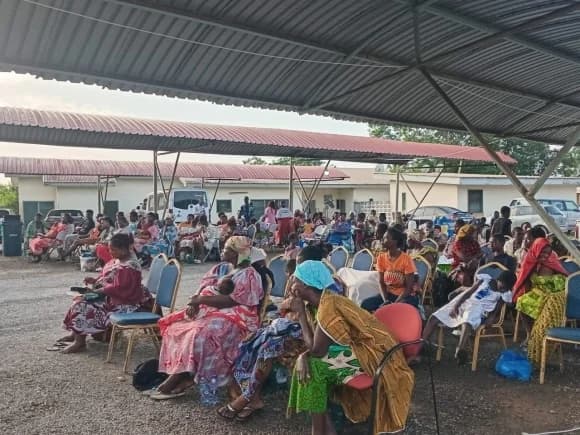
The Government of Ghana has successfully repatriated 327 citizens who were left stranded in Côte d’Ivoire following a massive demolition exercise in the Port Bouët Municipality of Abidjan. The operation, coordinated by the Ministry of Foreign Affairs and Regional Integration, saw an initial group of 228 nationals return on June 11, with the remaining 99 arriving on June 12. These individuals, including women and children, were forced to flee after their homes and businesses were destroyed, leaving many without livelihoods and possessing only the clothes they wore at the time of the evacuation.
Upon their arrival at various entry points and regional capitals, the returnees were received by government officials and provided with immediate humanitarian assistance. In Cape Coast, 137 evacuees hailing from the Central Region were welcomed by local ministers, while 43 others were received in the Western Region. The Greater Accra Regional Minister, Linda Akweley Ocloo, confirmed that the National Disaster Management Organisation (NADMO) has provided essential relief items and that all returnees underwent medical screenings to address health concerns. Officials have urged the returnees to focus on reintegration and warned against attempting to return to Côte d’Ivoire to retrieve lost belongings given the traumatic circumstances of the displacement.
The Ghanaian government is currently engaging in high-level diplomatic talks with Ivorian authorities to ensure that the displaced citizens receive fair compensation for their destroyed property and lost livelihoods. Ghana’s mission in Abidjan is leading these negotiations, as the Ivorian government has expressed a willingness to compensate those impacted by the urban redevelopment project. This intervention highlights the government’s stated commitment to protecting the welfare of Ghanaians abroad, following a similar successful rescue of 28 nationals from a human trafficking network in the same region earlier this year.
As the returnees begin the difficult process of rebuilding their lives, the Ministry of Foreign Affairs and local government agencies are focusing on long-term support measures and social reintegration. The government has pledged to facilitate transportation for all returnees to their respective hometowns and provide the necessary tools for them to settle back into their communities. This repatriation exercise serves as a stark reminder of the vulnerabilities faced by migrant communities during large-scale urban development projects and underscores the necessity of robust diplomatic frameworks to protect West African nationals living within the ECOWAS sub-region.
This story touches markets covered on Anansi Intelligence ↗.
More from africa
Continue exploring similar stories


