••
Ghana Welcomes 144 Migrants from Libya as Fatalities Rise Across Continental Migration Routes
•2 min read•4 sources
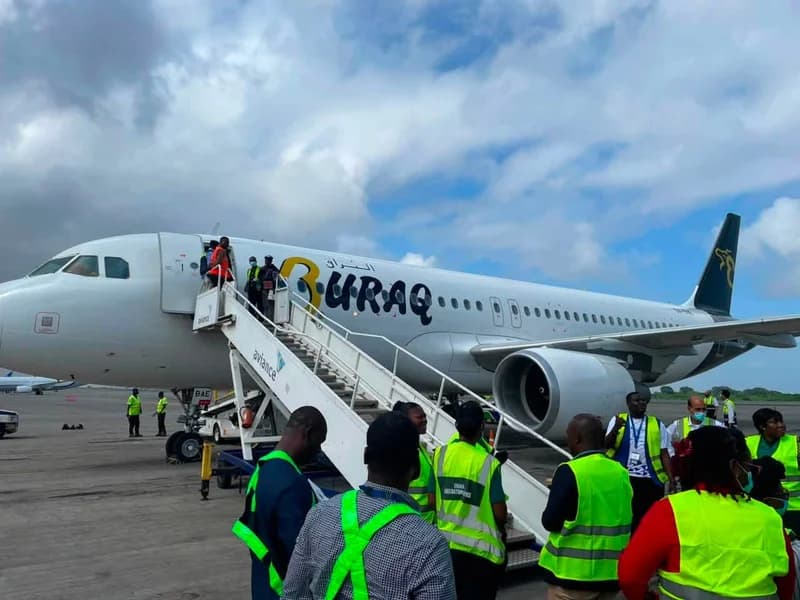
On July 14, 2026, a group of 144 Ghanaian migrants arrived safely at the Accra International Airport, marking a successful repatriation effort conducted by the Government of Ghana in partnership with the International Organization for Migration (IOM). Returning under the Voluntary Humanitarian Return (VHR) Programme, the migrants were met by authorities who provided immediate humanitarian assistance, including food, water, and psychosocial support. The returnees underwent rigorous health and immigration screenings to ensure their wellbeing and documentation status upon arrival, following periods of uncertainty and hardship abroad.
To ensure a sustainable transition back into society, the government and the IOM have committed to comprehensive reintegration programs. These initiatives are designed to provide the returnees with livelihood opportunities and vocational training, addressing the economic factors that often drive irregular migration. Officials emphasized that these programs are vital for stabilizing the returnees' lives and preventing the cycle of dangerous migration. The government further reiterated its commitment to the welfare of all Ghanaians abroad, urging citizens to pursue safe and legal migration pathways rather than risking their lives in the hands of human smugglers.
The urgency of these repatriation efforts is underscored by a series of recent tragedies involving migrants across the African continent. In a devastating incident off the eastern coast of Libya near El-Bardaa Island, at least 50 migrants are feared lost at sea after their wooden vessel, carrying approximately 60 people from various sub-Saharan countries, capsized. While 10 survivors were rescued, search efforts have been grim, with separate rescue teams in Tobruk recently recovering four bodies from another boat that had been adrift for two weeks. These events highlight the extreme perils of the Mediterranean route, which remains a primary transit point for those fleeing conflict and poverty.
In addition to the maritime risks in North Africa, irregular migration routes in Southern Africa have also proven fatal. Ten Ethiopian migrants are presumed to have drowned while attempting to illegally cross the Zambezi River from Zambia into Botswana. Out of a group of 15 migrants, only two survivors—aged 33 and 35—were accounted for and subsequently detained by Zambian police. These collective tragedies serve as a somber reminder of the vulnerabilities migrants face across the continent, reinforcing the necessity of international cooperation and state-led initiatives like Ghana’s VHR programme to protect vulnerable citizens and provide safer alternatives to perilous journeys.
This story touches markets covered on Anansi Intelligence ↗.
More from africa
Continue exploring similar stories


