••
West African Conservation Efforts Intensify as Ghana Launches Reforestation Drive and Nigeria Rescues Endangered Forest Elephant
•3 min read•2 sources
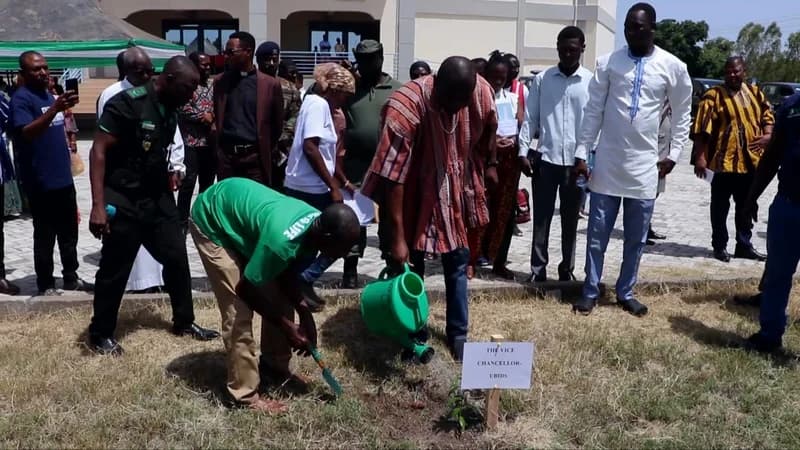
Environmental conservation efforts are gaining significant momentum across West Africa as regional authorities and wildlife organizations launch critical initiatives to combat climate change and protect biodiversity. In Ghana’s Upper West Region, the Forestry Commission and regional authorities have inaugurated the 2026 'Tree for Life' initiative, a strategic response to the growing threats of desertification and land degradation. Simultaneously, in Nigeria’s Okomu National Park, a high-stakes rescue operation for an orphaned forest elephant has become a focal point for wildlife preservation, highlighting the precarious state of the region’s most endangered species. Both initiatives underscore a regional shift toward proactive environmental stewardship in the face of ecological instability.
Ghana’s 'Tree for Life' initiative is specifically designed to address the erratic rainfall patterns and soil depletion currently plaguing the Upper West Region. The Forestry Commission has set an ambitious target to plant 80,000 seedlings, comprising 50,000 amenity trees and 30,000 trees under the 'Tree on Farms' program. During a symbolic ceremony on World Environment Day, stakeholders emphasized that tree planting is no longer merely an environmental choice but a necessity for human survival. The initiative aims to foster community-led conservation, encouraging local farmers and educational institutions to integrate sustainable forestry practices into their daily operations to buffer the region against the encroaching Sahara.
Across the border in Nigeria, the conservation struggle is exemplified by the story of Agbaibor, a critically endangered forest elephant recently rescued near a palm oil plantation. Nurtured by caretaker Joshua Aribasoye and supported by the conservation group African Nature Investors, Agbaibor represents the survival hopes for a species with only an estimated 200 individuals remaining in Nigeria, 40 of whom reside in Okomu. The rehabilitation process is both intensive and costly, requiring approximately $3,600 per month for care. Specialists estimate that it will take between three to five years of specialized nurturing before Agbaibor can be successfully reintroduced into the wild, a task made more difficult by the persistent threats of illegal logging and poaching.
These two distinct efforts are unified by the urgent need for habitat preservation and the active involvement of local communities. Whether through the planting of thousands of seedlings in Ghana or the multi-year rehabilitation of a single elephant in Nigeria, conservationists argue that long-term success depends on changing the relationship between local populations and their natural environment. As West Africa grapples with the impacts of climate change and habitat loss, these initiatives serve as a blueprint for the collaborative action required to protect the continent’s natural heritage for future generations.
This story touches markets covered on Anansi Intelligence ↗.
More from africa
Continue exploring similar stories


