••
Ghana’s Economy Bolstered by Record Gold Production, Corporate Resilience, and Industrial Innovation Hubs
•2 min read•9 sources
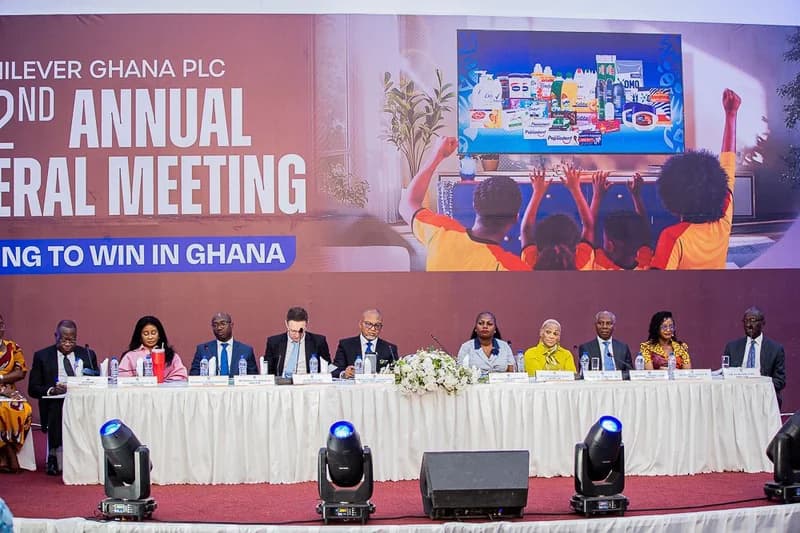
Ghana’s business landscape is witnessing a period of robust growth and transformation, highlighted by a record-breaking surge in gold production and strong performances from established multinational corporations. In 2025, the country's gold output increased by 23.41% to reach 5.94 million ounces, a growth driven primarily by a massive 63.82% expansion in small-scale mining, which contributed 3.11 million ounces to the total. This industrial momentum is mirrored in the corporate sector, where Unilever Ghana PLC reported a significant profit jump to GH¢94 million during its 2026 Annual General Meeting, signaling resilient consumer demand despite global economic headwinds.
The mining sector's revenue has climbed to GH¢24.22 billion, with gold now contributing approximately 9.98% to the national GDP. However, the sector faces complex hurdles in securing long-term private capital to sustain this trajectory. Analysts at Stanbic Bank have identified regulatory uncertainty, frequent shifts in fiscal regimes, and stringent Environmental, Social, and Governance (ESG) standards as significant barriers to investment. Experts emphasize that while the current production figures are encouraging, particularly for the local mining workforce which grew by 21.52%, sustaining growth in large-scale operations—which saw a marginal 2.98% decline—will require more stable legal frameworks and improved project execution strategies.
Beyond the extractive industries, Ghana is making strategic strides in value addition and manufacturing innovation. AAK, a global leader in plant-based oils, recently launched the AAK Academy in Ghana in collaboration with the Danish Embassy and the Ministry of Food and Agriculture. The academy aims to enhance technical expertise within the chocolate and shea value chains, fostering a more competitive agro-processing sector. This initiative aligns with the strategic successes of companies like Unilever, which attributed its recent financial gains to strong portfolio growth in the Personal Care and Beauty categories, alongside a renewed commitment to sustainability and corporate governance.
The narrative of Ghanaian economic excellence is further bolstered by the global recognition of local entrepreneurship and luxury craftsmanship. Anthony Mensah Dzamefe, CEO of Caveman Watches, was recently featured in Forbes Africa, highlighting the brand's success in redefining African luxury from its base in Accra. As the country looks toward the remainder of 2026, projections for gold output remain optimistic, with expectations of between 3.2 and 3.4 million ounces for large-scale production. These developments, paired with new industrial initiatives like the AAK Academy, suggest a strengthening ecosystem for both domestic innovation and international investment.
This story touches markets covered on Anansi Intelligence ↗.
Live rates
Ghana gold price →More from business
Continue exploring similar stories


