••
Ghana Re-enters International WASSCE as Educational and Strategic Reforms Shape West African Development
•3 min read•8 sources
Ghana is set to re-enter the international academic arena in 2026 as 473,658 senior high school students prepare for the West African Senior School Certificate Examination (WASSCE) alongside candidates from Nigeria, Liberia, Sierra Leone, and The Gambia. This transition, announced by John Kapi, Head of Public Affairs for the West African Examinations Council (WAEC), marks the end of a five-year period of Ghana-only examinations necessitated by COVID-19 disruptions. The return to the international format aims to harmonize grading standards and academic processes across the region. To ensure the integrity of the process, WAEC has implemented rigorous security measures, including CCTV surveillance at printing facilities and the serialization of examination questions to mitigate malpractice across the 1,020 participating schools.
Complementing this regional academic shift, Ghana’s higher education institutions are undergoing significant leadership and strategic transitions. The Governing Council of the University of Mines and Technology (UMaT) has appointed Professor Bernard Kumi-Boateng as the new Vice Chancellor, effective August 1, 2026. Professor Kumi-Boateng, the current Dean of the Faculty of Geosciences and Environmental Studies, is expected to drive the university’s mission in mining and applied sciences. Simultaneously, Accra Technical University (ATU) has launched a comprehensive five-year strategic plan (2026–2030). Unveiled by Vice-Chancellor Prof. Amevi Acakpovi, the plan focuses on seven pillars, including competency-based training, digital transformation, and industry-driven research, aiming to position the university as a technical education leader in Africa.
On the international stage, Ghana’s approach to youth empowerment is being held up as a template for other nations. Osman Ayariga, CEO of the National Youth Authority, recently urged Commonwealth countries at a summit in Oxford to adopt Ghana’s model of proactive youth inclusion in governance, arguing that youth development must be an urgent priority rather than an afterthought. This focus on inclusion is further exemplified by the Africa Dyslexia Organisation’s (ADO) new Youth Ambassadors initiative. Led by Rosalin Abigail Kyere-Nartey, the program empowers young people to advocate for those with learning differences, emphasizing creativity and problem-solving over stigmatization to foster a more inclusive educational environment.
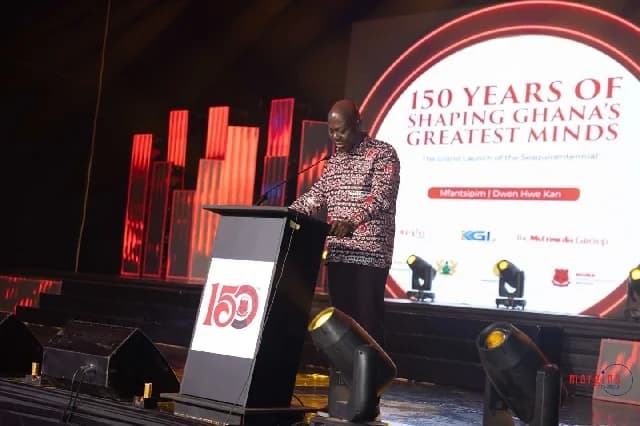
Addressing broader social challenges, World Vision Ghana has introduced its "Hope for Every Child" strategy, targeting the welfare of 2.8 million children over the next five years. National Director Tina Mukunda noted that the initiative will focus on health, education, and child protection, specifically addressing the fact that 2.4 million children under five suffer from malnutrition-induced stunting. These large-scale efforts are mirrored by community-level support, such as the Golden Height Foundation’s recent donation of school supplies to underserved pupils in the Central Region. Collectively, these developments—from the 150th-anniversary celebrations of the historic Mfantsipim School to nationwide policy reforms—underscore a multifaceted commitment to building a more equitable and robust future for the next generation in West Africa.
This story touches markets covered on Anansi Intelligence ↗.
More from africa
Continue exploring similar stories


