••
Severe Rains Cause Tragic Drowning and Infrastructure Collapse Across Ghana as NADMO Activates Emergency Response
•2 min read•5 sources
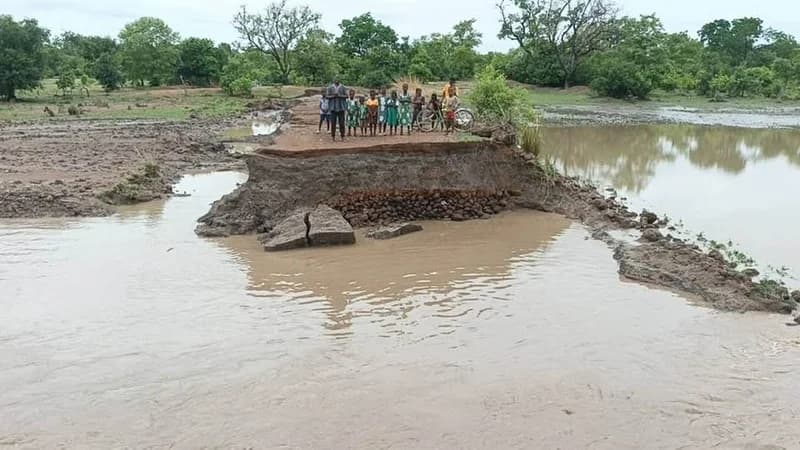
Heavy downpours across Ghana have led to a series of tragic incidents and significant infrastructure failures, prompting a nationwide emergency response. In Agona Swedru, a 23-year-old hairdressing apprentice, Hajia Hawa, tragically drowned after slipping into a large drain near the Mandela Market during a heavy storm. Despite a three-day search effort involving the Swedru Asafo Company and local community leaders, her body remains missing, with authorities fearing she was swept into the Akora River. Simultaneously, in the Wa West District, the collapse of a critical bridge has cut off the residents of Meteu and surrounding communities. The destruction has left schoolchildren stranded and severely restricted access to essential healthcare and agricultural lands, leading to urgent appeals for government intervention.
In response to the mounting crisis, the National Disaster Management Organisation (NADMO) has activated emergency operation centres across the country, with a particular focus on the flooding in Accra. Senior Officer Alhaji Mohammed Abubakar confirmed that standby teams have been deployed to flood-prone areas to coordinate rescue and relief efforts, including evacuations and water removal. To modernize their response capabilities, NADMO is also launching a new mobile application designed to allow residents to report flooding incidents in local languages, aiming for faster and more efficient deployment of rescue teams during distress calls.
Beyond Ghana’s borders, the impact of extreme weather is being felt across the region, with Northern Rwanda reporting devastating landslides and mudslides. In the village of Vunga, mountainous terrain combined with heavy rainfall has destroyed homes and schools, leaving farmers unable to cultivate their land. Rwandan authorities are currently working to relocate affected families, highlighting a broader regional vulnerability to climate-driven natural hazards. These environmental challenges underscore the increasing frequency and intensity of weather-related disasters affecting both West and East African communities.
Compounding the logistical challenges for Ghanaians, the Electricity Company of Ghana (ECG) has announced planned maintenance activities that will result in temporary power outages on Wednesday, May 27, 2026. The scheduled maintenance will affect the Accra East, Ashanti, and Tema regions, with outages expected to last between four and eight hours. Residents in the affected areas, particularly those already grappling with flood-related disruptions, are advised to prepare for these service interruptions. As authorities work to restore infrastructure and manage emergency relief, the combined impact of severe weather and utility maintenance continues to test the resilience of local communities.
