••
Over 560 Local Entrepreneurs and Persons with Disabilities Receive Critical Business Support Across Northern and Ashanti Regions
•2 min read•2 sources
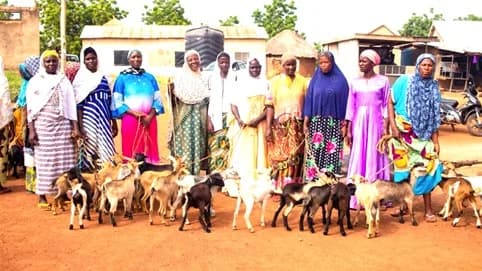
In a significant boost to Ghana’s grassroots economy, more than 560 entrepreneurs and individuals across the Northern and Ashanti regions have been equipped with the tools and financial capital necessary to scale their businesses. These dual initiatives, spearheaded by a combination of municipal government authorities and private-religious partnerships, underscore a growing national focus on sustainable job creation and economic inclusion for vulnerable populations. By providing direct asset transfers alongside technical mentorship, the programs aim to reduce poverty and foster self-reliance among local artisans, farmers, and petty traders.
In the Northern Region, a collaborative effort between Mentors International Ghana, Boressa Investment Limited, and The Church of Jesus Christ of Latter-day Saints has reached 521 entrepreneurs. This intervention provided beneficiaries with essential resources tailored to their specific trades, including livestock such as goats, as well as weaving and sewing machines. Beyond the physical assets, the project emphasizes long-term business viability through structured mentorship in livestock management, financial literacy, and entrepreneurship. Beneficiaries expressed optimism that these new resources would not only improve their household incomes but also strengthen the socio-economic fabric of their respective communities.
Simultaneously, the Atwima Nwabiagya South Municipality in the Ashanti Region has targeted the economic empowerment of Persons with Disabilities (PWDs). Municipal Chief Executive Wisdom Osei Boamah oversaw the distribution of support to 45 PWDs in Nkawie, which included GH₵60,000 in direct startup capital and GH₵21,500 allocated for specialized training. The municipality also provided GH₵18,000 for medical needs and GH₵12,000 to the Ghana Federation of Disability Organisations for advocacy efforts. Physical equipment, including deep freezers and laptops, was also donated to help beneficiaries launch income-generating ventures that promote dignity and financial independence.
These coordinated efforts reflect a broader strategy to decentralize economic development and ensure that growth is inclusive of all citizens, regardless of physical ability or geographic location. As these hundreds of small-scale enterprises begin to operate with improved capacity, the expected ripple effect includes enhanced local productivity and a reduction in the rural-urban migration drift. Moving forward, the success of these programs will likely depend on the continued monitoring of the beneficiaries to ensure the resources provided translated into lasting economic stability.
This story touches markets covered on Anansi Intelligence ↗.
More from business
Continue exploring similar stories


