••
Cybersecurity Experts Flag Severe Risks as 69% of Users Rely on Free Public Wi-Fi Weekly
•2 min read•1 source
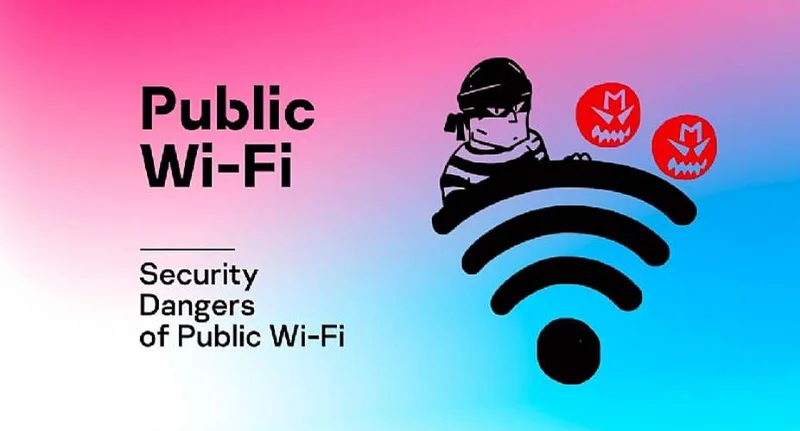
In an era of rising living costs, the availability of free public Wi-Fi has become a vital utility for many, with approximately 69% of users now accessing these networks on a weekly basis. However, cybersecurity experts are raising alarms that the convenience of "free" internet often comes with a hidden and potentially devastating price. While these hotspots offer immediate connectivity in cafes, airports, and public squares, they simultaneously expose users to sophisticated cyber threats that can compromise personal data and financial security.
The primary dangers associated with public networks include "evil twin" attacks and Man-in-the-Middle (MITM) vulnerabilities. In an "evil twin" scenario, cybercriminals set up a fraudulent Wi-Fi hotspot with a name identical to a legitimate one, tricking users into connecting directly to the attacker's device. Once connected, every piece of transmitted data—from passwords to private messages—can be intercepted. Similarly, MITM attacks allow hackers to position themselves between the user and the connection point, enabling them to alter communication or distribute malicious software across the network.
Furthermore, the seemingly harmless "captive portals"—the login pages that require users to enter an email or phone number to access the internet—are frequently exploited for data harvesting. Cybercriminals can use these portals to collect sensitive personal information or trick users into downloading malware disguised as a system update. Experts emphasize that the lack of encryption on many public networks makes it significantly easier for bad actors to snoop on unencrypted traffic, turning a quick web search into a potential entry point for identity theft.
To navigate these digital risks, users are urged to adopt stringent protective measures. Security professionals recommend using Virtual Private Networks (VPNs) to encrypt data traffic and advise against performing sensitive activities, such as online banking or shopping, while on public networks. As public Wi-Fi becomes an even more integrated part of daily life, maintaining a high level of digital hygiene and awareness is essential to ensuring that "free" access does not lead to a costly security breach.
This story touches markets covered on Anansi Intelligence ↗.
More from technology
Continue exploring similar stories


