••
Ghana’s Political Landscape Intensifies: Debates Over Public Sector Dismissals, Fiscal Policy, and Economic Sovereignty
•3 min read•31 sources
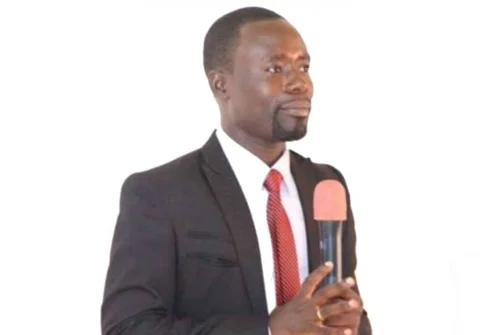
Ghana’s political landscape has reached a fever pitch as the government and the Minority in Parliament clash over a series of high-stakes issues ranging from mass public sector dismissals to the nation’s return to the domestic bond market. At the heart of the debate is the administration’s recent revocation of over 1,500 public-sector appointments, a move the Minority has labeled "arbitrary" and detrimental to youth employment. While Minister for Government Communications Felix Kwakye Ofosu has signaled the government's willingness to review cases for individuals appointed before the December 7 elections, critics like Constitutional Rights Advisor Oliver Barker-Vormawor are calling for urgent legal safeguards. Barker-Vormawor argues that constitutional amendments are necessary to establish a predictable employment framework and protect public service integrity during political transitions.
Simultaneously, the government’s fiscal strategy is under intense scrutiny following the expiration of restrictions on domestic bond issuance. While the administration assures the public that borrowing will be managed prudently to fund capital investments and maximize resource efficiency through a proposed Value for Money Office, opposition MPs, including Dr. Tiah Abdul-Kabiru Mahama of Walewale, argue that the move contradicts claims of fiscal restraint. These economic tensions are further complicated by external pressures, as foreign governments from Canada to China urge Ghana to reconsider a proposed mining royalty overhaul. Stakeholders warn that increasing gold royalties to a sliding scale of up to 12% could make Ghana one of the world's most expensive mining jurisdictions, potentially deterring vital investment just as the nation seeks to leverage rising gold prices.
Governance and national security have also taken center stage. Deputy Defence Minister Ernest Brogya Genfi has moved to dispel rumors of a "leadership vacuum" following the death of Dr. Edward Omane Boamah, asserting that the ministry remains fully operational under the President’s direction. Meanwhile, the government is pushing ahead with "Operation Recover All Loot" (ORAL) and a controversial land transit ban on rice aimed at curbing smuggling and boosting local production. However, this protectionist stance faces immediate practical challenges; in Shai Osudoku, local farmers are grappling with a massive rice glut, unable to compete with cheaper imports. This has prompted urgent calls for the National Food Buffer Stock Company to intervene and provide a reliable market for domestic growers to prevent significant financial losses.
Amidst these policy battles, there is a growing call for a more ethical and consensus-driven approach to leadership. Minority Leader Osahen Alexander Afenyo-Markin has advocated for "centrism" as a moral imperative to break the cycle of extreme partisanship between the NDC and NPP. This sentiment is echoed by regional voices like Francis K. Gatare of the African School of Governance, who argues that Africa’s challenges are rooted in a lack of values-driven leadership rather than technical expertise. As Ghana navigates global export risks and calls for the establishment of a strategic fuel reserve fund by COPEC, the coming months will test the government’s ability to balance transparency—highlighted by new collaborations between the RTI Commission and NACOC—with the practical demands of a polarized electorate and a complex global economy.
This story touches markets covered on Anansi Intelligence ↗.
Related topic
NDC (National Democratic Congress): Latest News →Live rates
Ghana gold price →More from politics
Continue exploring similar stories


