••
Ghana Protests to UN as Peacekeepers Injured Amid Regional War and Death of Iran’s Supreme Leader
•3 min read•49 sources
The Ghanaian government has lodged a formal protest with the United Nations following a missile attack on its peacekeeping battalion in southern Lebanon, which left several soldiers injured amid a rapidly escalating conflict in the Middle East. The incident occurred on March 6, 2026, when the Ghanaian Battalion (GHANBATT) headquarters in Al-Quzah, operating under the UN Interim Force in Lebanon (UNIFIL), was struck by missiles during exchanges between the Israeli Defense Forces and Hezbollah. Two soldiers are reported to be in critical condition, with one undergoing emergency surgery in Beirut, while the Officers’ Mess facility was completely destroyed by fire. Ghana’s Minister for Foreign Affairs, Samuel Okudzeto Ablakwa, described the attack as a potential war crime and demanded an immediate, impartial investigation by UN Secretary-General Ant3nio Guterres to ensure the safety of non-combatant personnel.
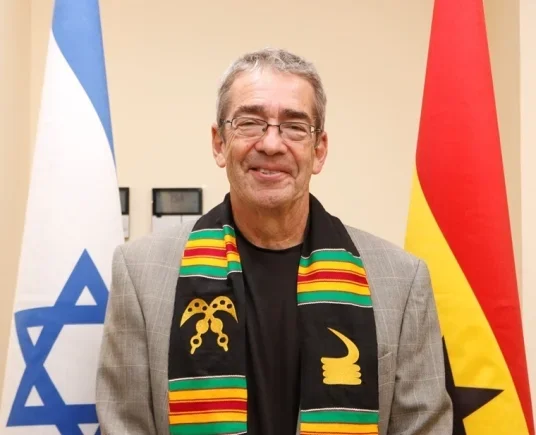
This localized violence is part of a broader regional conflagration sparked by coordinated U.S. and Israeli military strikes against Iranian infrastructure, which reportedly resulted in the death of Iran’s Supreme Leader, Ali Khamenei. In Accra, the Iranian Embassy has announced the opening of a book of condolence from March 9 to March 10, 2026, inviting the diplomatic community to mourn what they describe as a tragic loss resulting from foreign aggression. Meanwhile, Israeli Ambassador to Ghana, Roey Gilad, has called for Ghana’s support in seeking an administrative change in Tehran, citing the threat of Iran’s nuclear program. These developments have drawn sharp criticism from some Ghanaian lawmakers, including Walewale MP Mahama Tiah Abdul-Kabiru, who criticized the U.S. administration's use of military force over diplomacy, warning that such "bullying" tactics undermine national sovereignty.
On the domestic front, the conflict has ignited a fierce debate regarding Ghana's economic resilience and energy security. Energy analyst and NPP member Kwadwo Nsafoah Poku cautioned the opposition NDC against using the Middle East tensions as a political excuse for potential economic hardships, such as rising fuel prices and inflation. Conversely, Franklin Cudjoe, President of IMANI Africa, urged the government to immediately prioritize the Tema Oil Refinery (TOR) as a strategic national asset. Cudjoe argued that genuine private sector investment in TOR is essential to buffer Ghana against global oil supply disruptions caused by the war. As the Ghana Armed Forces continue to monitor the stability of their troops in Lebanon, the government remains under pressure to balance its international peacekeeping commitments with the need to protect its citizens from the economic fallout of a widening global conflict.
This story touches markets covered on Anansi Intelligence ↗.
More from politics
Continue exploring similar stories


