••

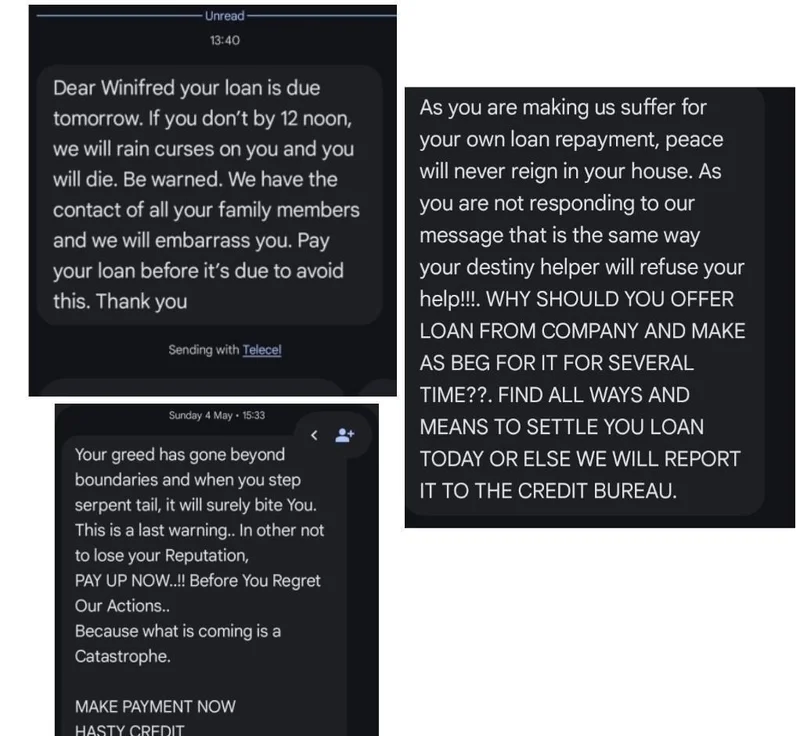
An investigation by the Centre for Journalism Innovation and Development (CJID) has uncovered a disturbing trend of predatory lending in Ghana, where unregulated loan applications are exploiting desperate citizens through aggressive digital marketing and intimidation. These applications, often advertised as solutions for urgent financial needs such as medical bills or overdue rent, utilize global platforms like Facebook and Google to target vulnerable individuals. Despite official warnings from the Bank of Ghana regarding the illegality of these services, the apps continue to flourish, creating a cycle of debt and psychological distress for many unsuspecting borrowers who find themselves trapped in exploitative financial arrangements.
The modus operandi of these entities involves luring users with the promise of "instant loans" that require minimal documentation or credit checks. However, once an app is downloaded, borrowers frequently find that the actual terms—including interest rates and repayment schedules—are vastly different from the initial advertisements. This "bait-and-switch" tactic is often compounded by the fact that these applications gain access to the user's contact lists and personal data upon installation. When a borrower inevitably struggles to meet the unexpected and often exorbitant repayment demands, the companies transition from service providers to aggressors, using harvested data to launch campaigns of harassment.
Reports indicate that these predatory lenders employ coercive tactics, including threatening to contact a borrower's family members, friends, or employers to shame them into payment. An industry insider corroborated these findings, revealing that harassment is a systematic part of the digital lending landscape for these unlicensed entities. For many Ghanaians, the initial relief of receiving funds is quickly replaced by the terror of social stigmatization and relentless digital stalking. The investigation highlights that the urgency of financial crises often blinds individuals to the risks, allowing these apps to weaponize desperation through the very technology meant to provide convenience.
While the Bank of Ghana has issued several warnings against using unlicensed digital lenders, the persistence of these apps on major tech platforms remains a significant regulatory challenge. The ease with which these entities can bypass local financial laws by purchasing sponsored ads on international social media sites creates a vacuum where enforcement is difficult. Experts argue that without more stringent cooperation between local financial regulators and global tech giants, Ghanaian citizens will remain exposed. Moving forward, there is a pressing need for both enhanced digital literacy and more robust enforcement mechanisms to protect the public from falling into the traps set by these exploitative financial predators.
This story touches markets covered on Anansi Intelligence ↗.
Continue exploring similar stories


