••
National Infrastructure and Safety Roundup: Power Upgrades and Fatal Accidents Highlight Regulatory Challenges
•3 min read•5 sources
In a week marked by both developmental progress and localized tragedy, Ghana's energy sector has initiated major infrastructure overhauls even as communities grapple with fatal accidents that expose significant regulatory gaps. The Electricity Company of Ghana (ECG) and the Northern Electricity Distribution Company (NEDCo), in collaboration with the Ministry of Energy, are rolling out transformer upgrades to stabilize power grids in Tamale and the Teshie-Nungua area. However, these developmental strides are underscored by mourning following a deadly illegal mining pit collapse in the Central Region and a tragic drowning at an Upper East hotel, both of which have sparked urgent calls for improved safety standards and accountability.
On the infrastructure front, Minister of Energy Dr. John Jinapor announced a partnership with NEDCo to replace and upgrade distribution transformers in Tamale to meet growing demand and reduce system losses. In the Greater Accra Region, ECG has scheduled a series of rotational outages in the Teshie-Nungua area from April 27 to April 30, 2026, to facilitate primary substation upgrades. Impacted neighborhoods, including Grada Estates and Century Road, will experience power interruptions for five to six hours daily. These initiatives are part of a broader national strategy to enhance voltage stability and improve electricity efficiency across the grid, with officials promising phased execution to mitigate disruptions for residents.
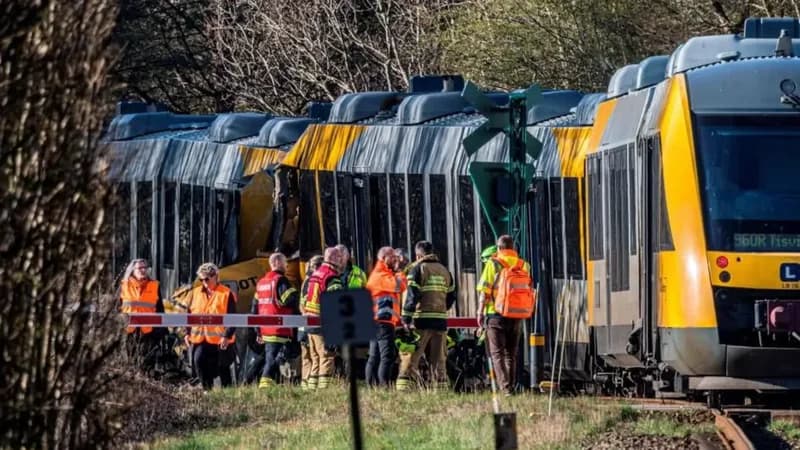
Conversely, public safety concerns have surged following a series of preventable tragedies across the country. In Assin Dansame, Central Region, the collapse of an illegal mining pit claimed the lives of a 22-year-old woman and a 25-year-old man, while another victim remains critically injured. Meanwhile, the drowning of 13-year-old Jesse Atiah at the NAB Hotel in the Upper East Region has exposed widespread safety lapses in hospitality facilities. The Ghana Tourism Authority has acknowledged that many pool attendants lack proper training and several hotels are in breach of essential safety regulations. These local events mirror broader safety failures seen internationally, such as a recent head-on train collision near Copenhagen, Denmark, which left five people critically injured due to suspected signaling failures and the lack of automated safety systems.
As investigations proceed into the galamsey collapse and the hotel drowning incident, the National Disaster Management Organization (NADMO) and tourism officials are under increasing pressure to enforce stricter compliance. For the grieving families in Assin Dansame and the Upper East, the focus remains on securing justice and the implementation of reforms that prioritize human life. As Ghana continues to modernize its energy infrastructure, the recurring theme across these events remains clear: sustainable development must be balanced with rigorous safety oversight and professional accountability to protect citizens from avoidable harm.
