••
Parliament Resumes as Government Tackles Mining Leaks, Health Infrastructure, and New Economic Agendas
•3 min read•21 sources
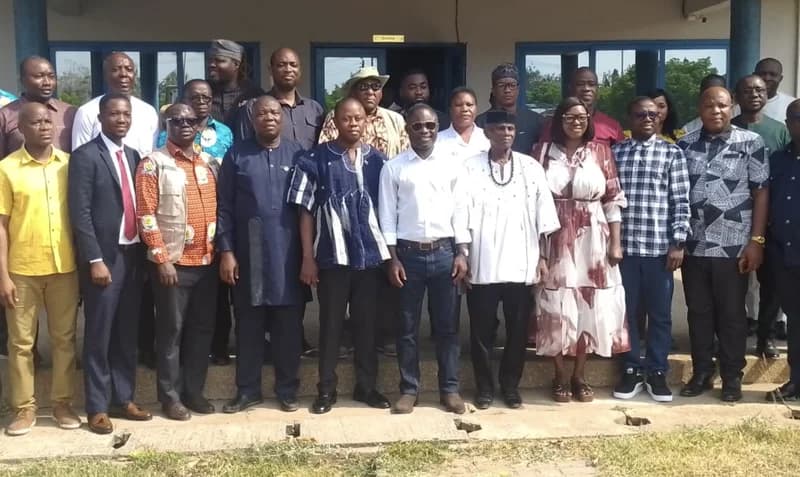
Parliament has officially reconvened in Accra to begin the Second Session of 2026, marking a pivotal moment for Ghana’s legislative and executive branches. As Members of Parliament gather to consider new bills and oversee national priorities, various government ministries have simultaneously launched aggressive strategic agendas aimed at resource management, health reform, and economic modernization. This resumption of legislative duties comes at a time when the executive branch is facing both historic opportunities for sector growth and significant challenges regarding administrative integrity at the local level.
A major focus for the 2026 political calendar is the Ministry of Lands and Natural Resources, which recently concluded a high-level management retreat in Ellembele. Under the leadership of Minister Emmanuel Armah-Kofi Buah, the ministry has adopted a results-driven theme, "Ideate, Strategise, Deliver," to enhance coordination in forestry, mining, and land administration. However, these efforts are being complicated by reports from the National Anti-Illegal Mining Operations Secretariat (NAIMOS). Spokesperson Paa Kwesi Schandorf revealed that anti-galamsey raids are frequently undermined by intelligence leaks, allegedly traced to District Chief Executives (DCEs) and assembly members who tip off illegal miners. In response, the Minister has ordered a decentralization of operations to hold local officials directly accountable for security breaches.
In the health sector, Minister Kwabena Mintah Akandoh has signaled a shift toward sustainable maintenance during a working tour of the Oti Region. Addressing appeals from Nkwanta South MCE Joseph Antwi Awal regarding the dilapidated state of local hospitals, the Minister announced a new policy to allocate 20% of hospitals' Internally Generated Funds (IGF) toward renovations and infrastructure upkeep. This initiative aims to address decades of neglect in facilities like those in Nkwanta South, while the government also moves forward with securing land documentation for the upcoming Oti Regional Hospital to prevent future legal disputes.
Rounding out the government's current outreach, Minister of Food and Agriculture Eric Opoku conducted a historic visit to the Ashaiman Tulaku Livestock Market, the first such ministerial tour since the 1960s. The visit highlighted the market's role in West African food security, with the Minister pledging immediate improvements in waste management and street lighting, alongside plans to produce organic fertilizer from livestock waste. Meanwhile, the Narcotics Control Commission (NACOC) is preparing for a landmark regulatory shift. Deputy Director General Alexander Twum-Barimah confirmed that while marijuana trafficking remains a concern, Ghana will officially begin legal cultivation of medicinal and industrial cannabis on March 1, 2026, under strict THC limits. These developments collectively reflect a government attempting to balance rigorous law enforcement with innovative economic diversification.
This story touches markets covered on Anansi Intelligence ↗.
More from politics
Continue exploring similar stories


