••
Ghana’s Parliament Adjourns After Landmark Legal Reforms and Heated Debates on Resource Accountability
•3 min read•78 sources
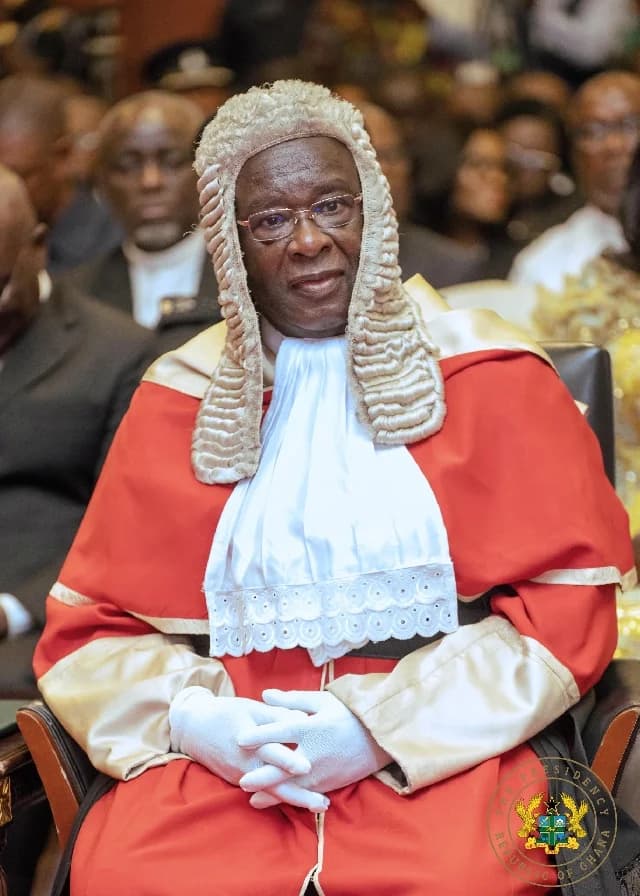
The Parliament of Ghana has adjourned for the Easter recess following a high-intensity session marked by the passage of transformative legislation and significant political shifts. A primary highlight of the First Meeting of the Second Session was the passage of the Legal Education Reform Bill 2025. This landmark legislation effectively dismantles the long-standing monopoly of the Ghana School of Law, allowing accredited universities to provide professional legal training. Chief Justice Paul Baffoe-Bonnie and other legal experts have lauded the move, which introduces a National Bar Examination and a Law Practice Training Course, aimed at expanding access to the legal profession while maintaining rigorous standards. The session also saw the ratification of a 15-year lithium mining agreement with Barari DV Ghana Limited and the passage of the 24-Hour Economy Authority Bill, though the Value for Money Office Bill faced stiff opposition over potential corruption risks.
On the political front, both the New Patriotic Party (NPP) and the National Democratic Congress (NDC) are intensifying their grassroots engagement. NPP General Secretary Justin Kodua Frimpong announced the deployment of regional heavyweights across all 16 regions to oversee polling station and electoral area elections, emphasizing party integrity. Simultaneously, NDC National Chairman Johnson Asiedu Nketiah concluded a ‘Thank You Tour’ of the Ashanti Region, claiming a historic shift in the political landscape. Nketiah highlighted the party’s growth to a 35% vote share in the traditionally NPP-dominated region, asserting that the NDC is committed to fulfilling campaign promises as they prepare for future electoral cycles. Minority Leader Alexander Afenyo-Markin countered by urging NPP members to secure a decisive parliamentary majority in 2028, expressing absolute confidence in Dr. Mahamudu Bawumia’s leadership.
Resource governance remains a flashpoint of contention between the majority and minority caucuses. Parliament recently rejected a Minority motion to establish an ad hoc committee to investigate alleged financial losses at the Ghana Gold Board (GOLDBOD) and the Gold-for-Reserves scheme. Speaker Alban Bagbin upheld a voice vote that defeated the motion, despite Minority Leader Afenyo-Markin’s request for a secret ballot. Amidst this, the newly appointed CEO of the Gold Board, Sammy Gyamfi, has outlined a vision to ‘reset’ Ghana’s economy through tighter controls on gold trading and enhanced foreign exchange inflows. However, the Institute of Economic Affairs (IEA) has issued a stern warning, with Justice Sophia Akuffo criticizing the government’s decision to cut the Growth and Sustainability Levy from 3% to 1%, arguing it undermines the state’s ability to maximize benefits from its natural resources.
In the broader social and infrastructure sectors, the government has moved to address long-standing grievances and improve public services. Minister for Roads and Highways Governs Kwame Agbodza announced the release of $23 million to contractors for the Suame Interchange project, while the Ghana Railway Development Authority confirmed GH"11.6 million to settle salary arrears for railway workers. In Tamale, the ‘Democracy Is Not for Sale’ forum brought together academics and security officials to tackle the growing threat of vote-buying, which Professor Eliasu Alhassan warned is commodifying democracy due to economic hardship. As the nation enters the Easter break, these developments in legal reform, economic strategy, and political accountability set a complex stage for the next legislative session, where inclusivity and transparency will remain at the forefront of the national dialogue.
This story touches markets covered on Anansi Intelligence ↗.
Related topic
NDC (National Democratic Congress): Latest News →Live rates
Ghana gold price →More from politics
Continue exploring similar stories


