••
Ghana’s Parliament Clashes Over Security Lapses and Intelligence Overhaul Following Burkina Faso Killings
•3 min read•10 sources
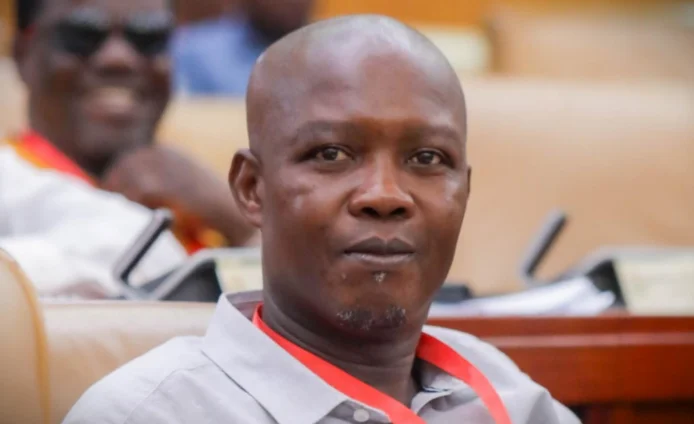
Ghana’s Parliament has been gripped by intense debate and partisan friction following a tragic terrorist attack in Burkina Faso that claimed the lives of eight Ghanaian tomato traders. The incident, which occurred on February 14, has sparked a wave of criticism regarding the state’s security preparedness and cross-border safety protocols. Rev. John Ntim Fordjour, the Member of Parliament for Assin South, led the charge by condemning the government’s failure to issue timely travel advisories. He argued that the risks in the Sahel region were well-documented and that proactive communication could have prevented the loss of life, calling for a thorough review of the nation's travel warning system and enhanced regional cooperation.
The parliamentary session grew increasingly contentious as lawmakers traded blame over the underlying causes that forced traders into high-risk areas. Samuel Atta Mills, an NDC Member of Parliament, sparked an uproar when he linked the tragedy to the government's failure to complete the Pwalugu irrigation dam project, asserting that local agricultural investment would have eliminated the need for traders to source tomatoes from Burkina Faso. This prompted sharp rebukes from the Majority, who accused the opposition of politicizing a national tragedy. In response to the heated environment, First Deputy Speaker Bernard Ahiafor urged restraint and diplomacy, reminding members to prioritize the grief of the bereaved families and the complexities of international security over partisan gains.
Simultaneously, the legislative body is deliberating a significant overhaul of the nation's security architecture through the Security and Intelligence Agencies Bill. Introduced by Interior Minister Mohammed Mubarak Muntaka, the bill proposes renaming the National Investigations Bureau (NIB) back to the Bureau of National Intelligence (BNI) to resolve public confusion with the National Investment Bank. More controversially, the bill seeks to abolish the Ministry for National Security and consolidate oversight directly under the Presidency. While the Majority defends these reforms as essential for streamlining intelligence operations and meeting international standards, the Minority has raised alarms over the potential for excessive power centralization and a lack of parliamentary accountability.
Amidst these high-level security debates, the human element of the tragedy also surfaced through the experience of Millicent Amankwaah, the MP for Sunyani West. Following a speech addressing the killings, Amankwaah faced social media mockery for a linguistic slip regarding the word "bereaved." She defended her credibility by highlighting her academic record at KNUST and asserting her strength as a young politician, refusing to let a minor error overshadow the gravity of the situation. As Parliament moves forward, the focus remains on the proposed formal inquiry into the Burkina Faso attack and the finalization of security reforms intended to safeguard Ghanaian citizens both at home and abroad.
This story touches markets covered on Anansi Intelligence ↗.
Related topic
NDC (National Democratic Congress): Latest News →More from politics
Continue exploring similar stories


