••
Ghana's National Agenda: Parliamentary Adjournment, Infrastructure Push, and Economic Resets Drive Political Landscape
•2 min read•61 sources
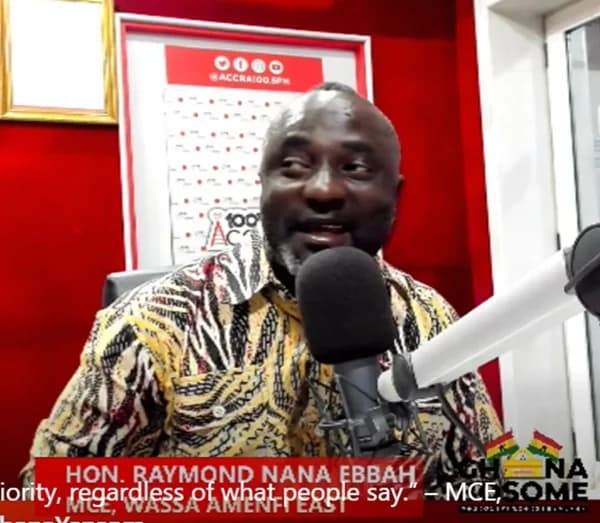
Ghana’s political and legislative landscape is currently defined by a period of intense strategic realignment and a push for accountability. Speaker of Parliament Alban Bagbin recently adjourned the house sine die, calling on Members of Parliament to "bury absenteeism and lateness" as they return to their constituencies for the Easter break. This legislative pause follows the passage of critical bills, such as the Legal Education Bill, and coincides with high-level calls for the completion of legacy projects. Notably, former President Nana Addo Dankwa Akufo-Addo has urged the current administration to prioritize the completion of the 'Agenda 111' hospital initiative, while local representatives like MP Jerry Ahmed Shaib have demanded the immediate operationalization of the nearly completed 120-bed Weija Paediatric Hospital to improve healthcare access in the Greater Accra Region. Governance and public spending have come under increased scrutiny, highlighted by a public dispute between Old Tafo MP Vincent Ekow Assafuah and Asokwa MCE Amoh Kamel over the transparency of borehole project costs, which vary between GH¢80,000 and GH¢100,000. Simultaneously, the Ghana Tertiary Education Commission (GTEC) has had to defend its regulatory mandate against criticisms of overreach regarding university fee increments. In the economic sector, the government is navigating a two-day ultimatum from commercial transport operators threatening a 20% fare hike if fuel prices are not stabilized. This tension is mirrored in sectoral shifts, such as the Gold Board's transition toward local bullion refining and the Ministry of Food and Agriculture’s plan to establish 50 Farmer Services Centres nationwide to mechanize production and ensure food security. On the partisan front, both established and new political actors are reorganizing for future contests. The Convention People’s Party (CPP) has inaugurated a seven-member committee to reform its national structures, while the newly launched Action Alliance Party (AAP) has emerged in Wa to challenge the traditional NDC-NPP duopoly with a focus on youth empowerment and anti-corruption. Within the New Patriotic Party (NPP), leadership bids are heating up, with Chairman Wontumi advocating for local language use in grassroots mobilization. Meanwhile, localized development remains a key focus for MPs, ranging from road construction in Dome Kwabenya to furniture donations in Ellembelle, signaling a multi-front effort to address constituent needs ahead of the next electoral cycle. These developments underscore a national mood focused on translating policy into tangible improvements in healthcare, infrastructure, and economic stability.
This story touches markets covered on Anansi Intelligence ↗.
Related topic
NDC (National Democratic Congress): Latest News →Live rates
Ghana gold price →More from politics
Continue exploring similar stories


